Birla Open Minds Shamshabad

WHY BIRLA OPEN MINDS

Great learning begins with thoughtful design.

A good school day needs more than lessons. It needs careful teaching, time to ask questions, opportunities to practise and adults who pay attention to how children are doing.

Here is what the Birla Open Minds approach means for families considering the new Shamshabad campus.

BIRLA OPEN MINDS INTERNATIONAL SCHOOL · SHAMSHABAD
Students learning and reading in the school library
INSIDE THE LEARNING DAYReading, sharing ideas and learning together
THE CAMPUS5 acres

Room for learning, movement and planned facilities

THE CURRICULUMResearch-led

Developed with input from educators and specialists

THE PEOPLESince 2016

Leadership experience at Bandlaguda and LB Nagar

THE ETHOSFour Cs

Care, Co-operation, Collaboration and Courtesy

01   /   OUR APPROACH

What goes into a good school day?

Children learn differently at different ages. Teaching needs to reflect that.

In the Early Years, play, conversation and familiar experiences introduce new ideas. In Primary School, linked themes help children make connections between subjects. In the middle and high school years, subject knowledge becomes deeper, with more discussion, projects and independent work.

At each stage, the aim is to build understanding and help children use what they learn.

Read about the school
02   /   WHAT MATTERS

The details behind the approach.

These are the areas the school and the wider Birla Open Minds curriculum place emphasis on. They are practical things you can ask about when you visit.

01The curriculum

Developed by specialists

The Birla Open Minds research and development team includes educators, curriculum designers and child-development specialists. The curriculum connects academic subjects with arts, physical education and life skills.

02The teaching

Children work with ideas

Experiments, discussions, projects and classroom activities help children understand a topic and apply it, rather than just remember a definition.

03The early years

Learning suited to each age

In Nursery, K1 and K2, blocks, stories, movement, art and small-group activities help build language, independence and social skills.

04The resources

Support for daily lessons

Teachers have access to curriculum guides, planned lessons, activity sheets and audio-visual resources developed for the Birla Open Minds approach.

05The teachers

Training does not stop

Workshops, academic mentoring and observations support teachers as they refine classroom practice and respond to different learning needs.

06The progress

Feedback with a purpose

Assessment is ongoing. Classwork, projects and periodic tests help teachers understand what a child has learned and where more support is needed.

07The wider programme

Art, sport and life skills

Physical education, yoga and sport through SPEED sit alongside music, visual and performing arts. Soul Science addresses personal and social development.

08The people

Experience behind a new campus

The Shamshabad leadership team draws on experience from the Birla Open Minds schools at Bandlaguda and LB Nagar, which it has been associated with since 2016.

09The partnership

Parents stay involved

Learning is easier to support when parents and teachers communicate. Progress reports, conversations and shared expectations connect school and home.

The Shamshabad campus is new. Leadership experience described above refers to the existing Bandlaguda and LB Nagar schools, not the age of the Shamshabad campus.
03   /   LEARNING IN PRACTICE

Children understand more when they take part.

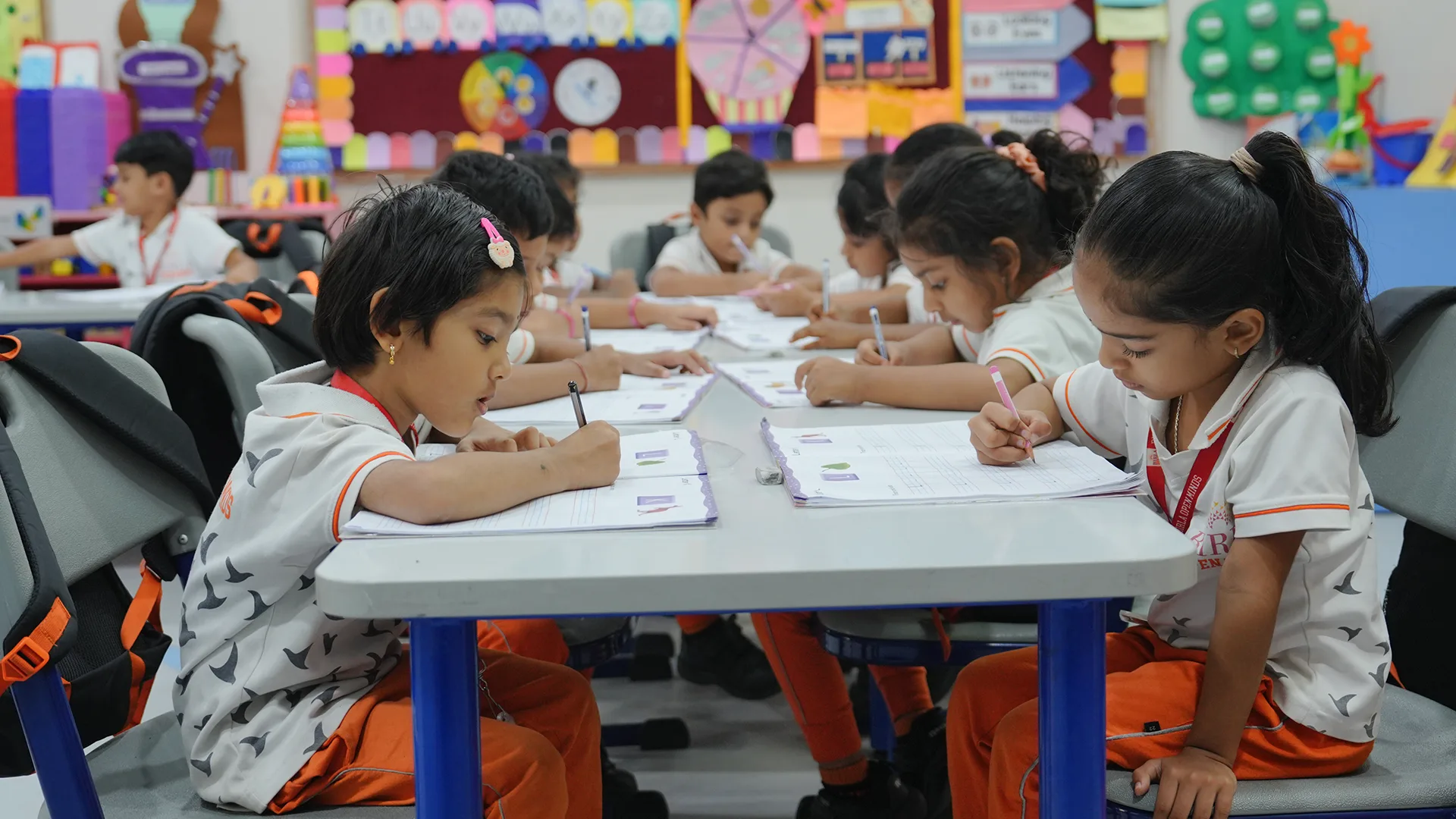
Lessons can include demonstrations, problem-solving, group work, creative activities and experiments. Children need a chance to test an idea and talk about what happened.

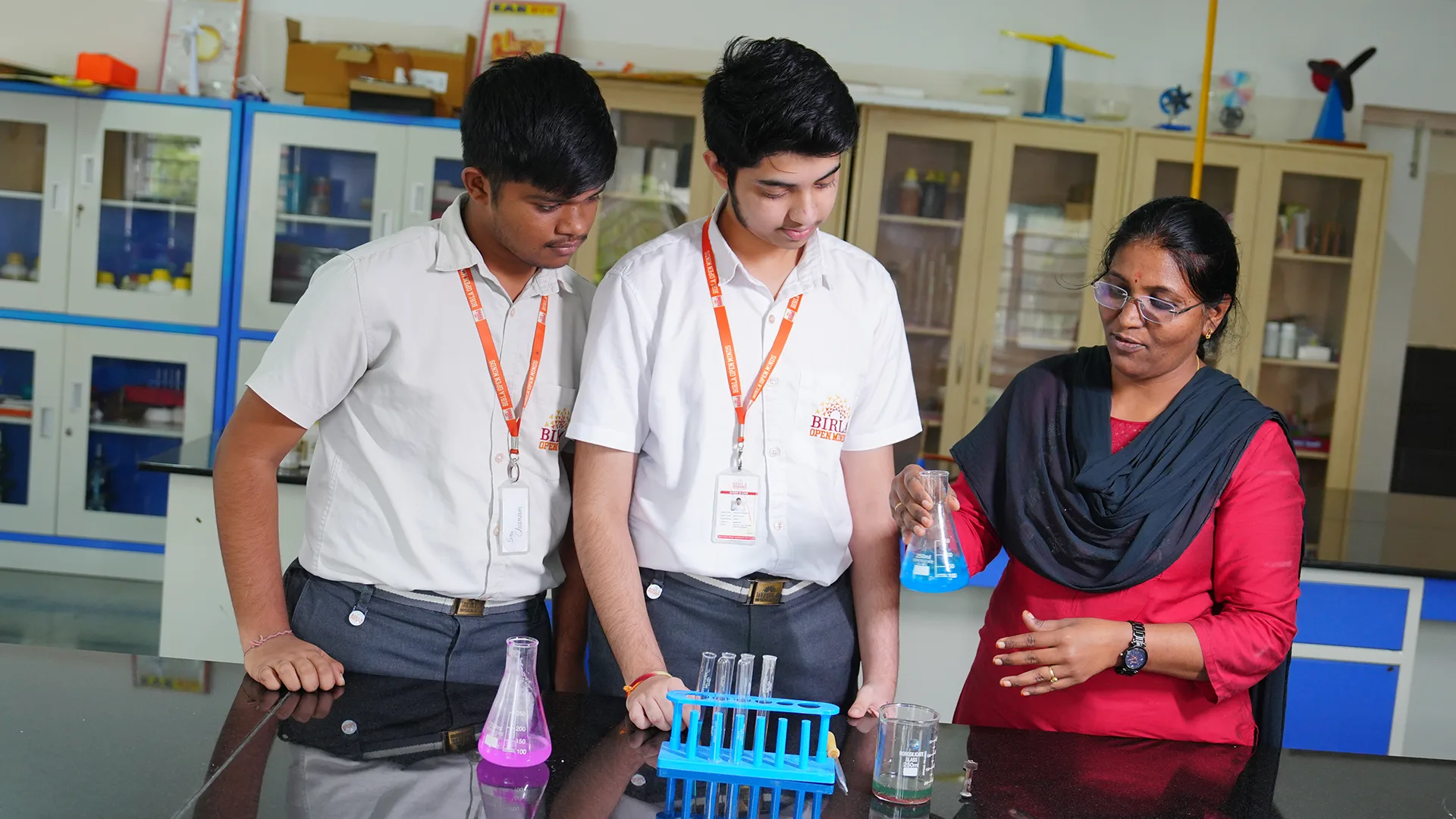
Students carrying out a practical science activity in a chemistry laboratory
SCIENCETry it. Observe it. Explain it.
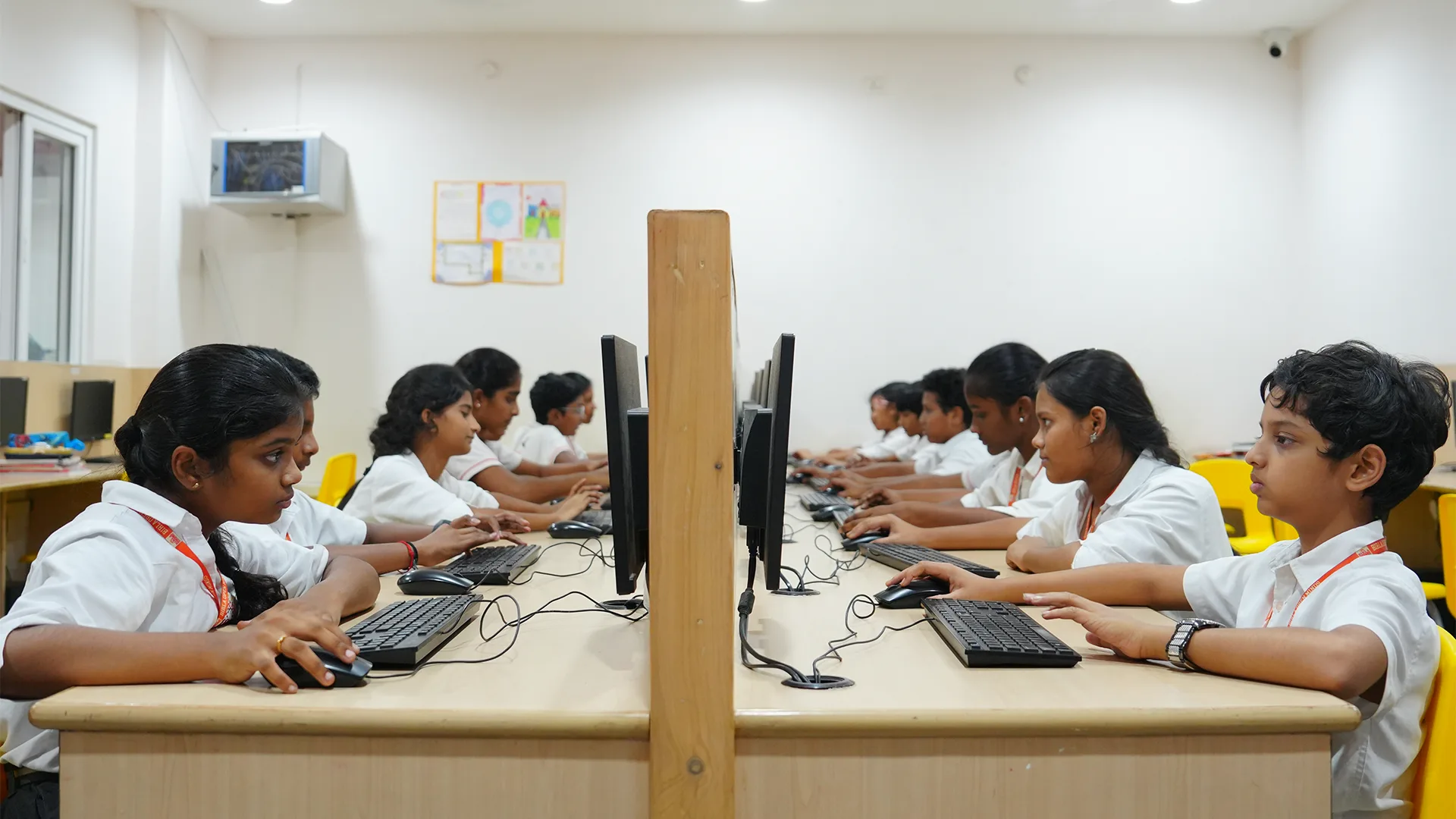
Students using computers during a technology lesson
DIGITAL LEARNINGSkills developed through hands-on work.
01

Real questions

Inquiry, discussion and investigation are part of learning, not optional extras.

02

Work children can show

Projects, classroom activities and portfolios help make progress easier to understand.

03

Feedback along the way

Teachers use observations and assessments to plan the next step in learning.

04   /   AGE-APPROPRIATE LEARNING

One approach. Different stages.

The school has separate programme pages explaining how teaching changes from the early years through higher grades. Please confirm current grade openings with admissions.

How admissions work
05   /   BEYOND THE CLASSROOM

Sport, art and life skills belong here too.

The Birla Open Minds curriculum brings physical education, performing arts, visual arts and personal development alongside academic study.

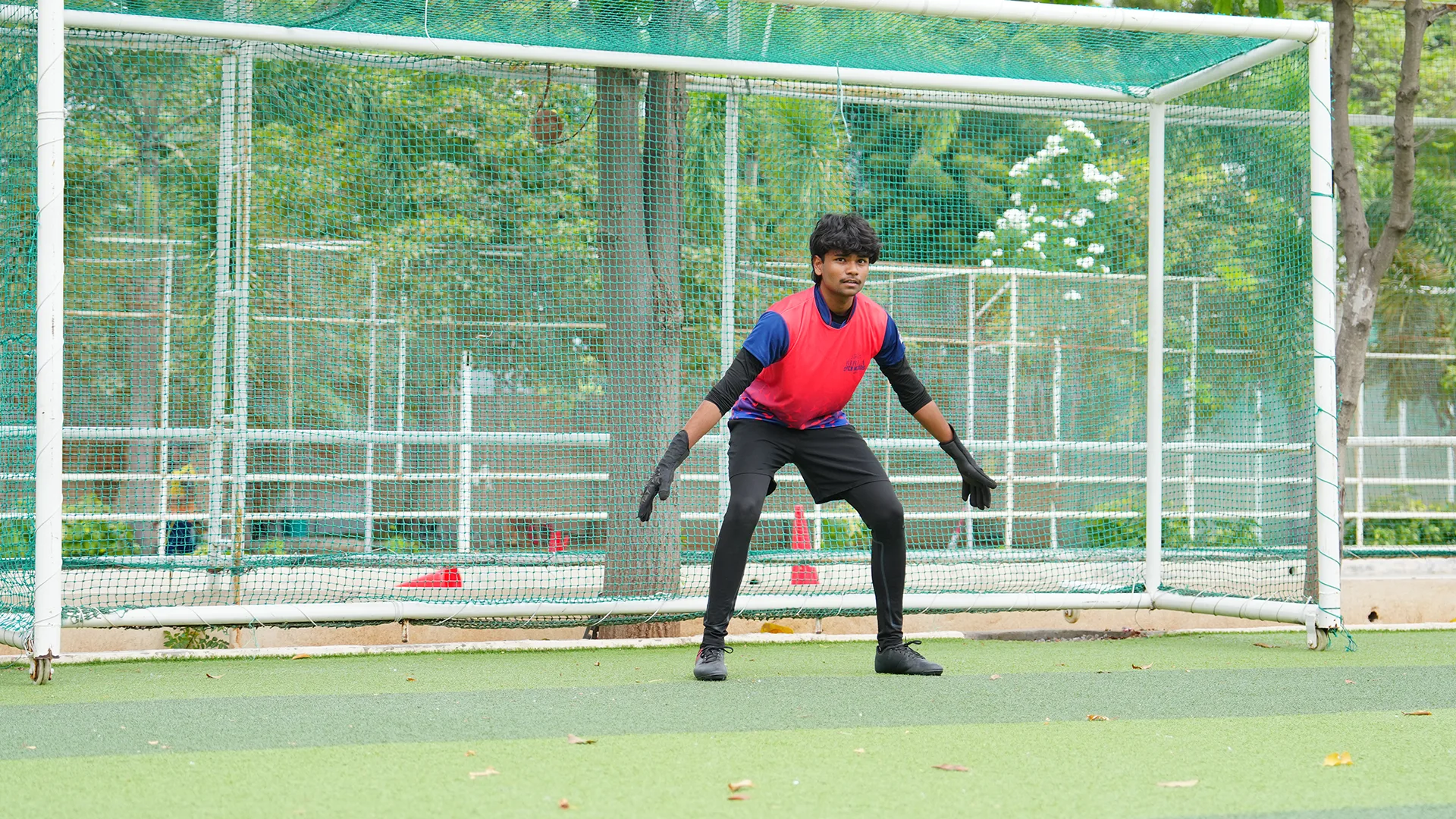
Students playing football during school sport activities
PHYSICAL EDUCATIONPractice, teamwork and staying active
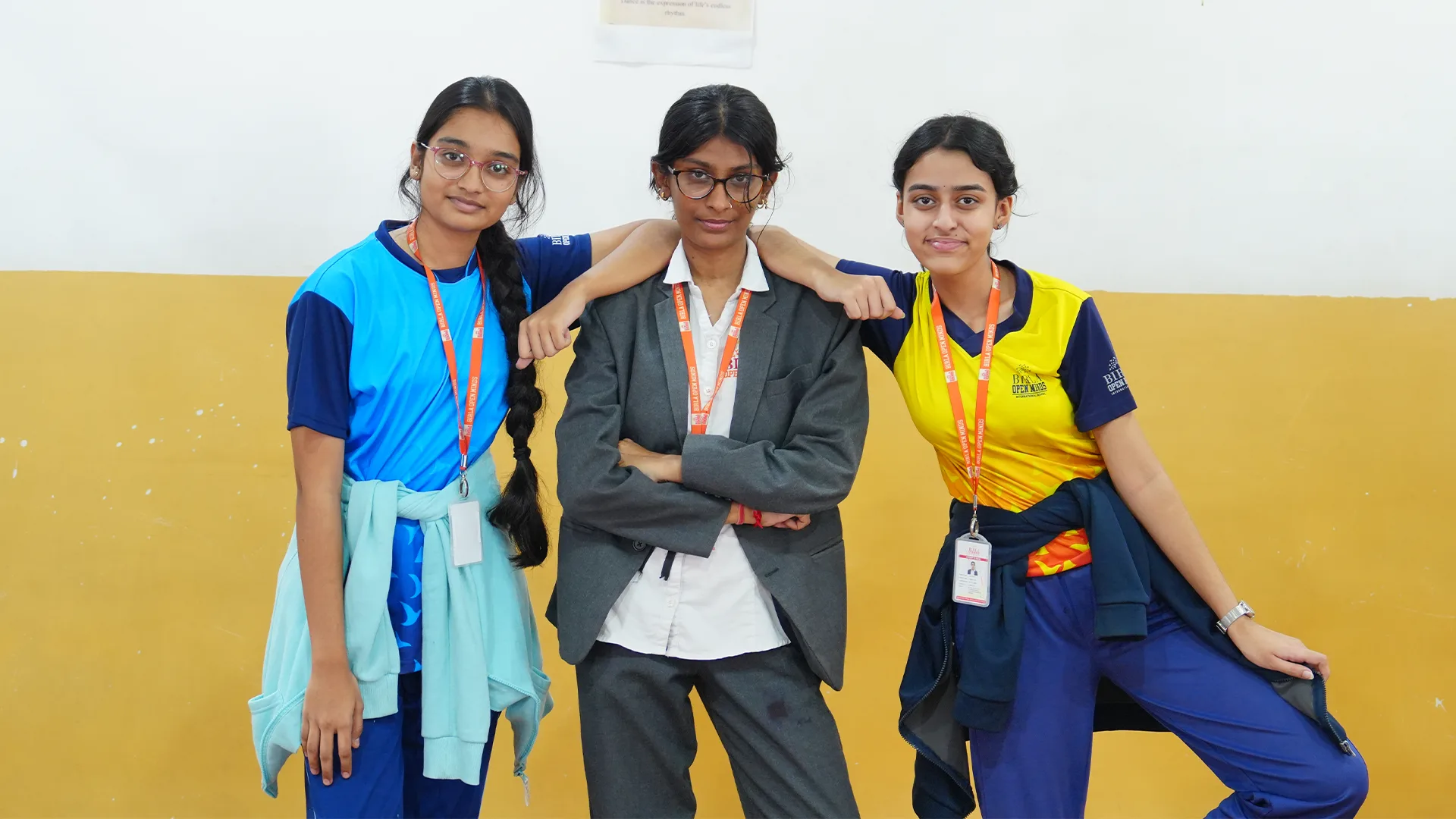
Students participating in a Western dance activity
PERFORMING ARTSConfidence, rhythm and expression

SPEED is the curriculum's programme for physical education, yoga and sport. Soul Science supports personal and social skills, including responsible choices and managing emotions.

Explore School Life
06   /   THE SHAMSHABAD CAMPUS

A five-acre setting for school life.

The Shamshabad campus is planned around classrooms, space for outdoor activities and facilities that support practical learning. The school brochure describes labs, a library, sports and creative arts spaces.

Student care matters just as much. The school's plans include supervised spaces, CCTV monitoring and air-conditioned transport with trained staff.

Please check which facilities, transport routes and grade levels are available for your child's admission year.

Students gathered for a school assembly
THE SCHOOL DAYAssembly, participation and the wider school community
THE FOUR CsHow we treat one another matters.
  • Care
  • Co-operation
  • Collaboration
  • Courtesy
07   /   PARENTS & SCHOOL

A conversation that continues.

Parents should be able to understand what their child is learning and how they are progressing. Teacher conversations, reports and student work give families a clearer picture than marks alone.

Talk to admissions
01
Understand the approach

Ask how subjects are taught, how children practise and what a typical week looks like.

02
See how progress is shared

Learn about report cards, portfolios, regular feedback and parent–teacher communication.

03
Discuss practical details

Confirm the grade offered, transport route, campus readiness and admission process.

08   /   COMMON QUESTIONS

What would you like to know?

These answers describe the published Birla Open Minds approach. The admissions team can confirm Shamshabad-specific arrangements.

What is different about the curriculum?

The curriculum is developed by the Birla Open Minds research and development team. It links classroom subjects with activities, arts, sport and personal development, with methods adapted to each age group.

How are teachers trained?

The wider Birla Open Minds framework includes professional workshops, curriculum guidance, classroom observations and ongoing feedback for teachers.

How will I know how my child is progressing?

Teachers use classroom work and ongoing assessments, alongside reports and portfolios where applicable, to understand progress and communicate with parents.

What activities are part of school life?

The published curriculum includes physical education, sport, music, visual and performing arts, life skills and Soul Science. Confirm which activities are available at Shamshabad in the current academic year.

Can we visit the campus before applying?

Please contact the admissions team on +91 73311 90202 or send an admission enquiry to discuss a visit and available timings.

VISIT BIRLA OPEN MINDS · SHAMSHABAD

Come and ask us your questions.

Meet the admissions team, talk about your child's learning needs and find out which grades and facilities are available.