
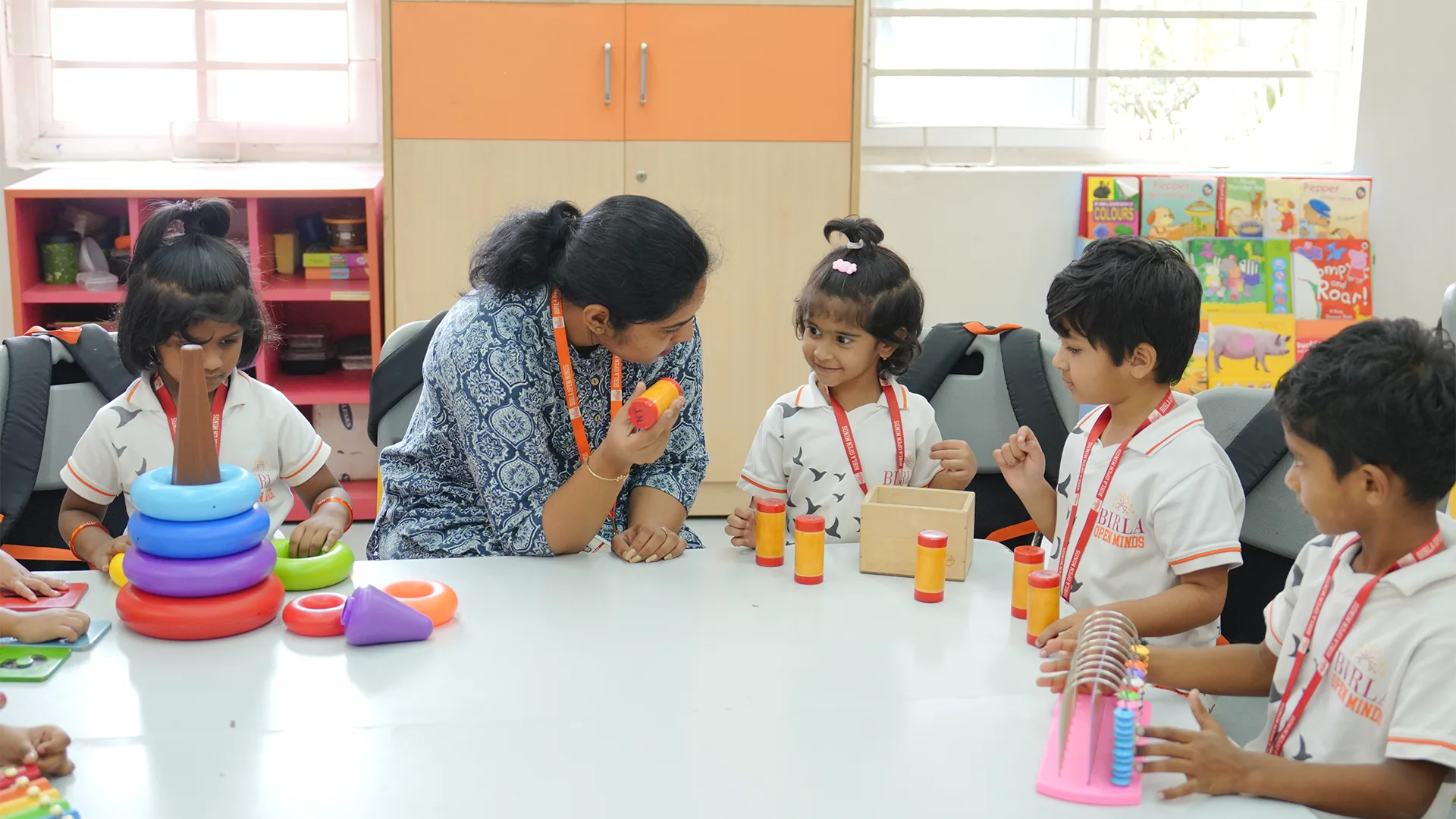
Learning through activity
Working with materials, talking about ideas, practising routines and learning alongside friends.
Explore Pre-PrimaryFrom the morning gathering to the last conversation of the day, school is made up of many different moments. Come along and see what learning can look like—inside and outside the classroom.
A visual journey across age groups—not a fixed bell timetable.
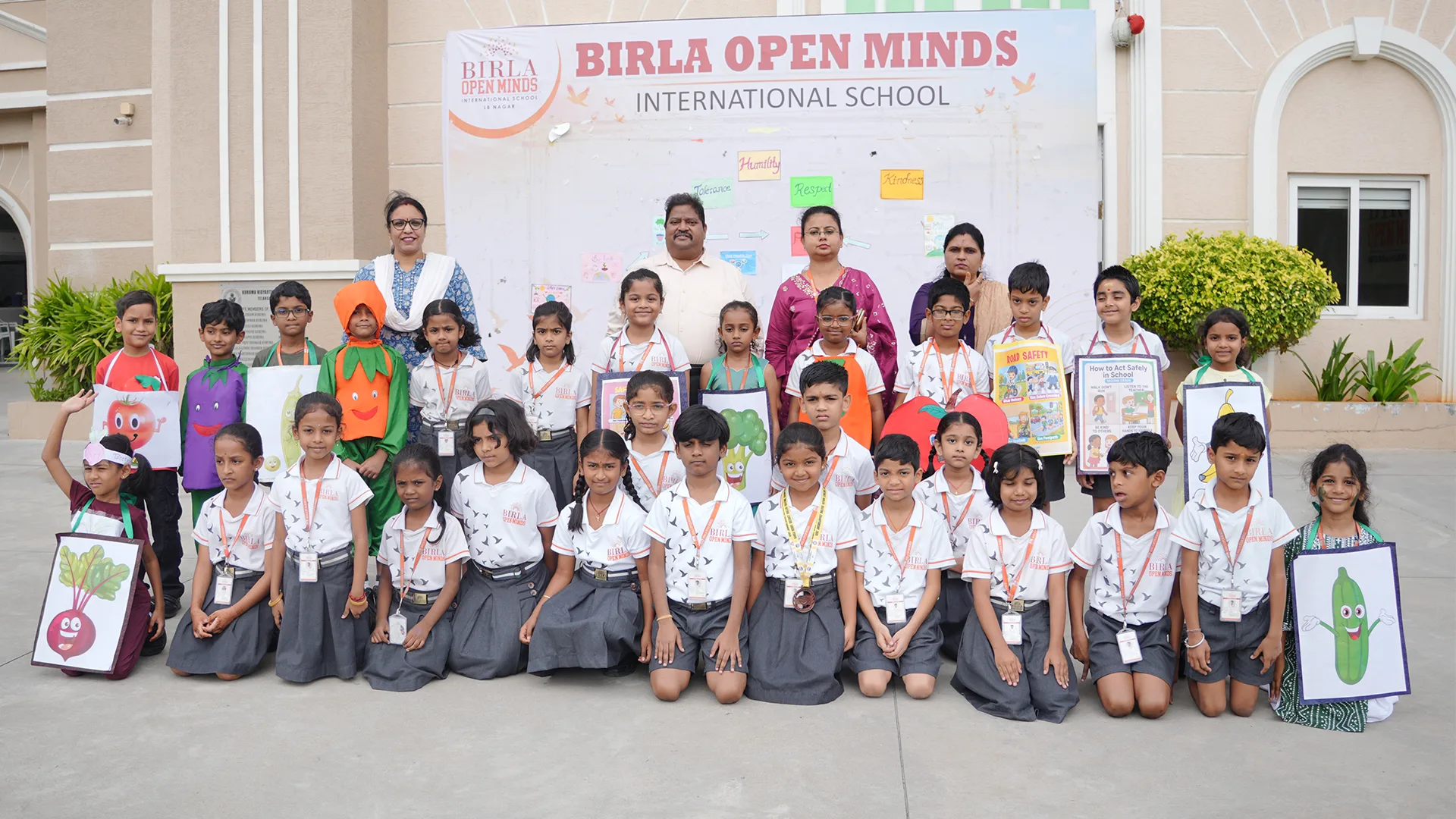
Different ages, different activities—one school community.
Assembly gives students a shared start. There's room to listen, participate and see familiar faces. For younger children, a welcoming routine helps them settle into the classroom.
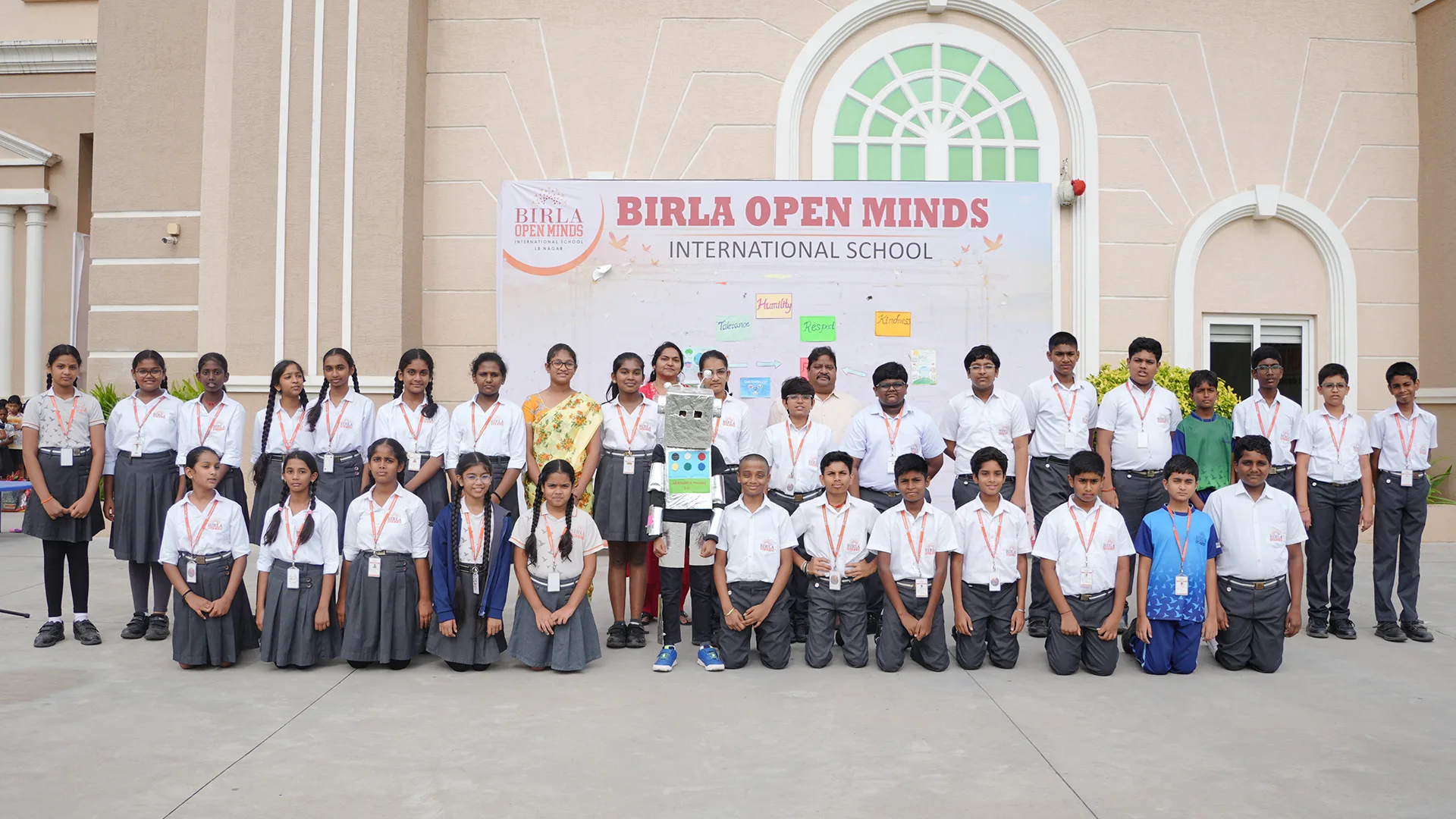
In the early years, learning often begins with stories, play and things children can hold or make. As students move through school, reading, discussion, problem-solving and subject work take a larger place.
Working with materials, talking about ideas, practising routines and learning alongside friends.
Explore Pre-Primary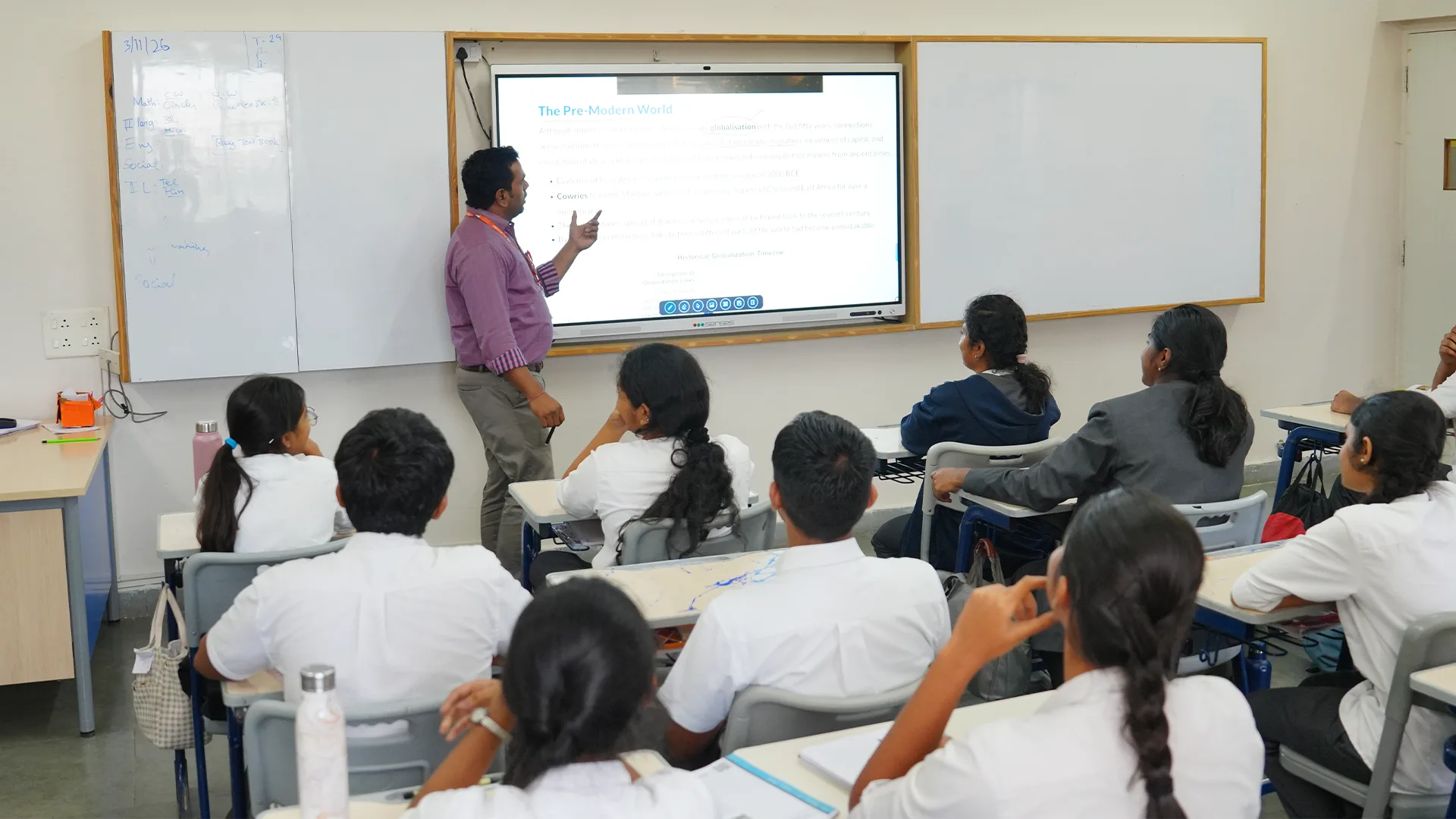
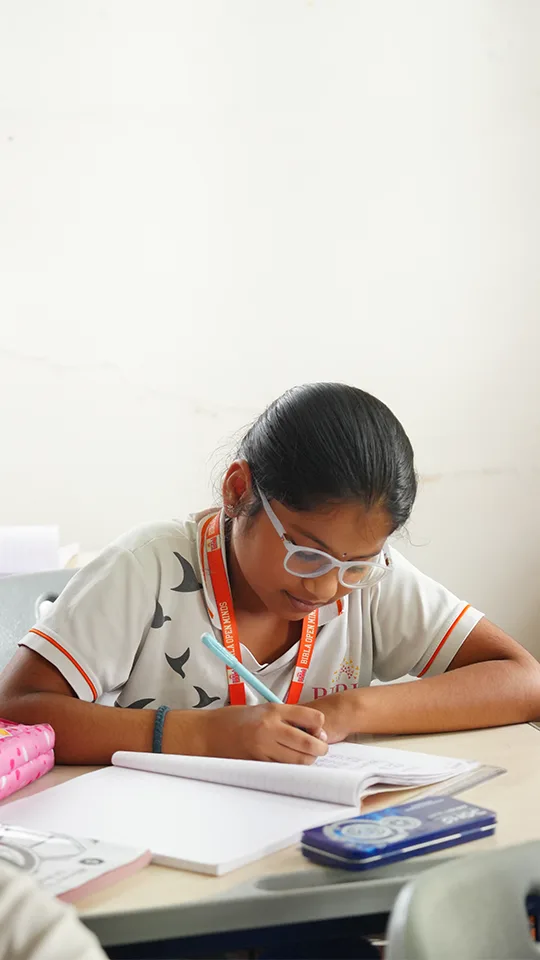
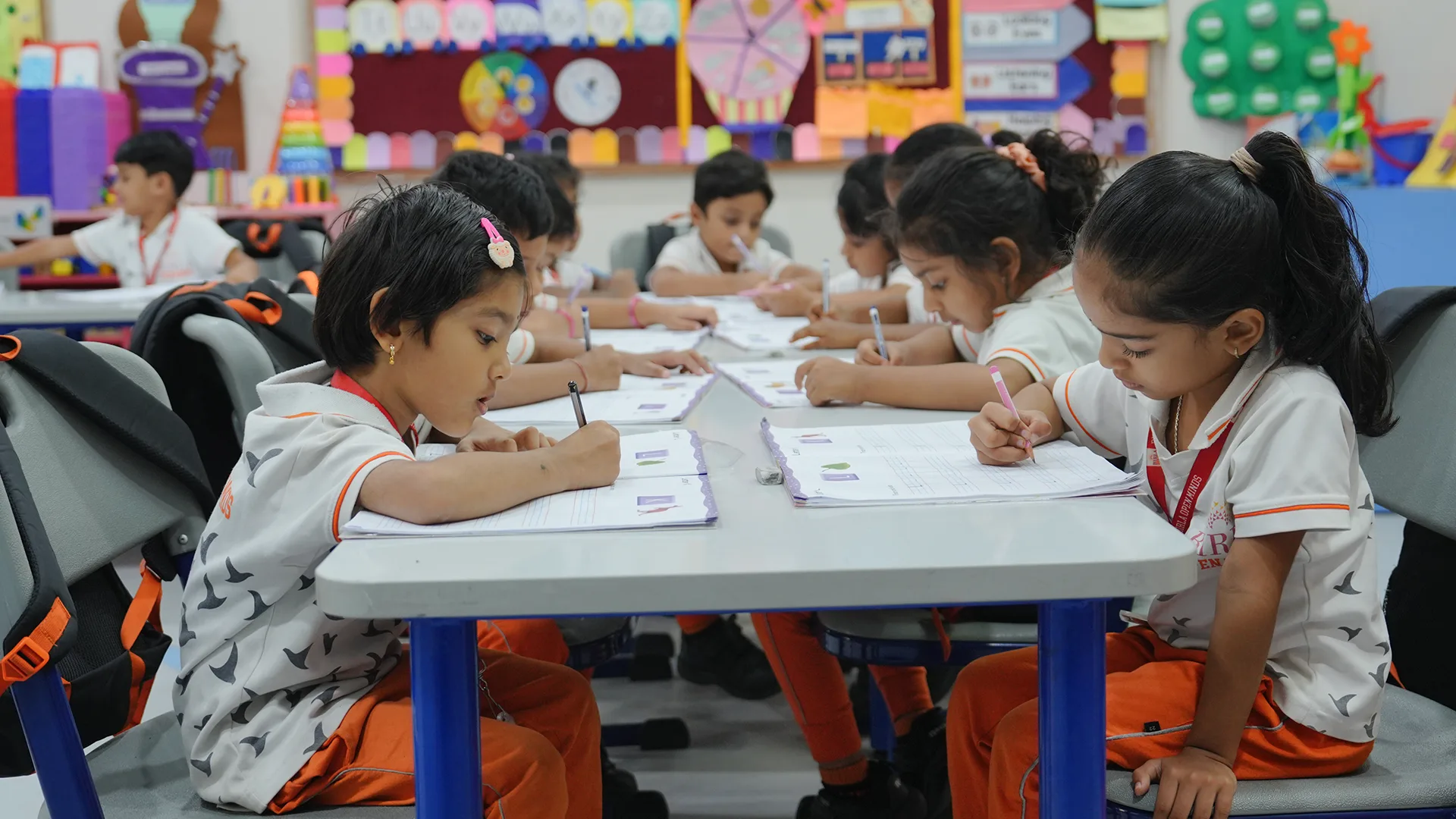
Teachers guide classroom work while students ask questions, write, discuss and practise new concepts.
Explore academics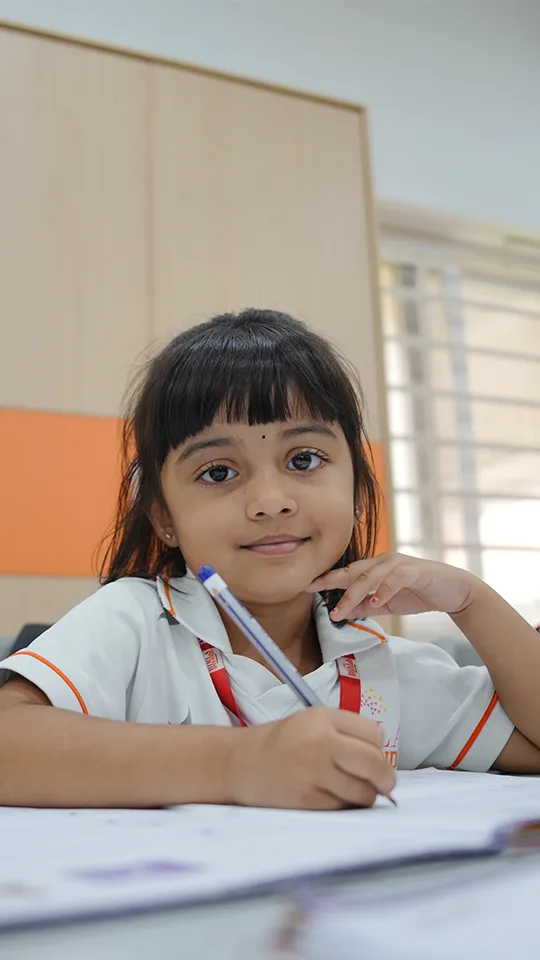
A story for a young child, a group task in Primary School or a problem solved independently in Middle School may look different. Each gives students a chance to practise.
Some questions are better explored with a book, a computer or an experiment. Students have opportunities to observe, look things up, test ideas and talk about what they find.
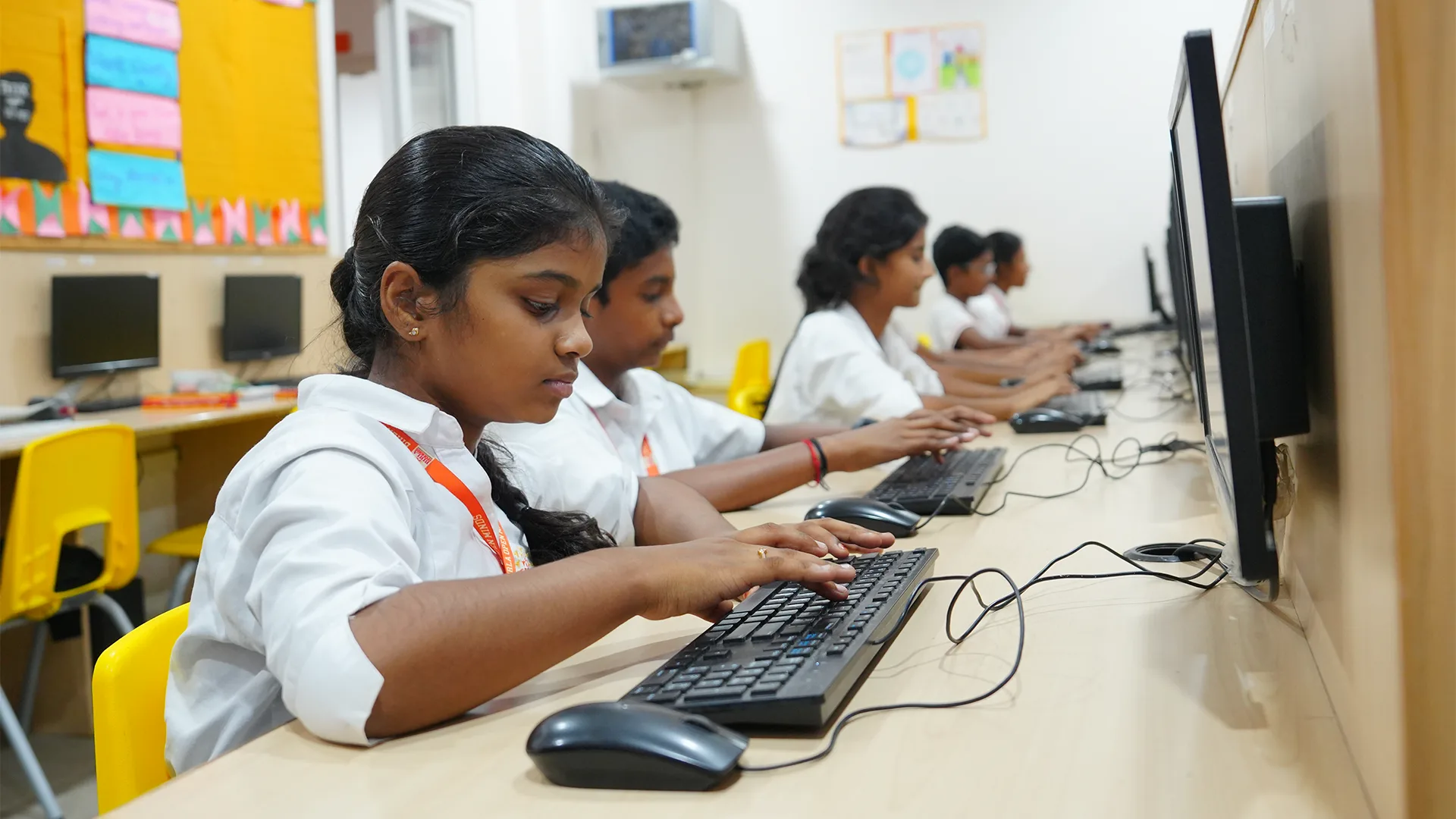
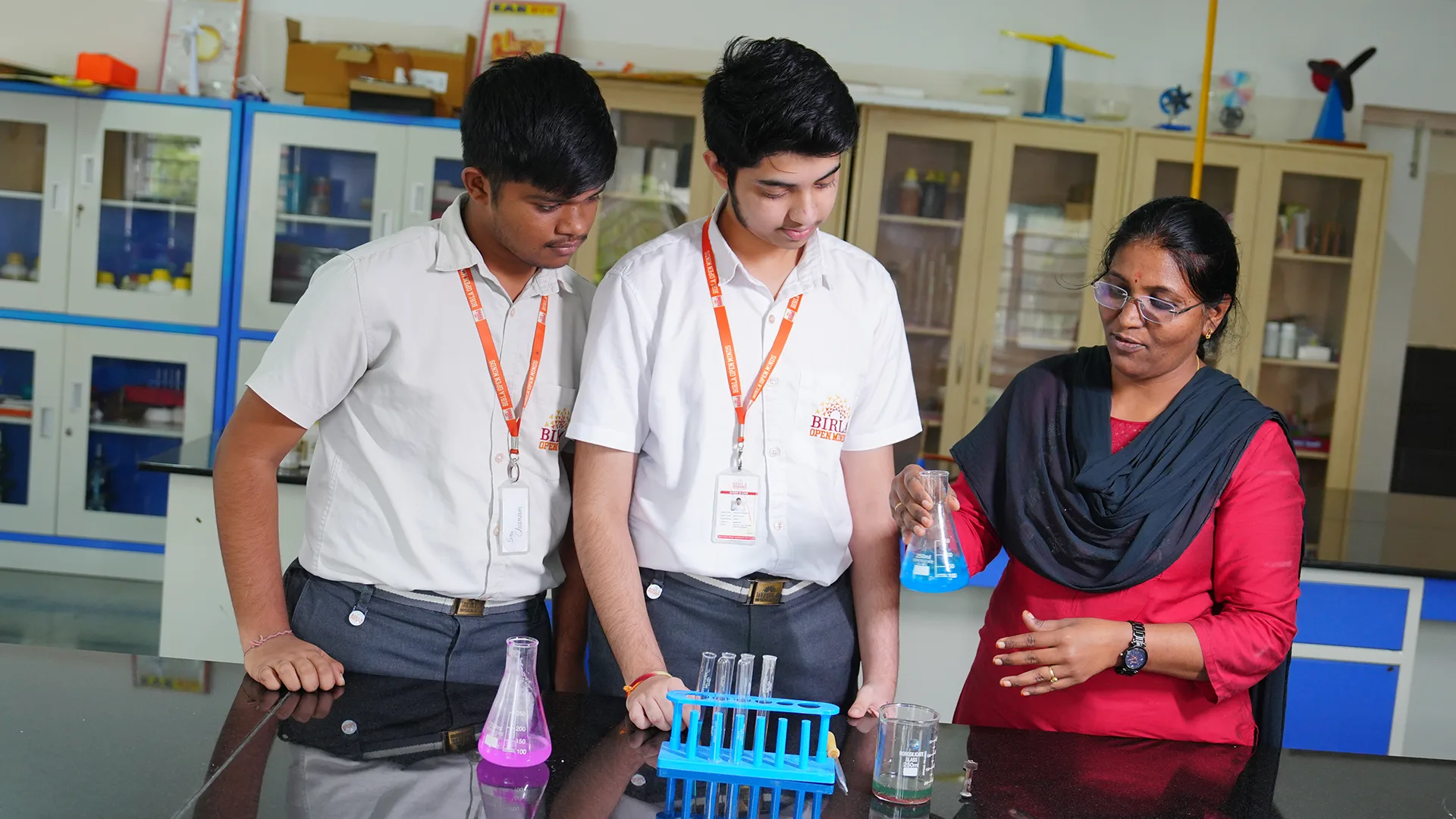
Activities and laboratory access differ by grade and the school's timetable.
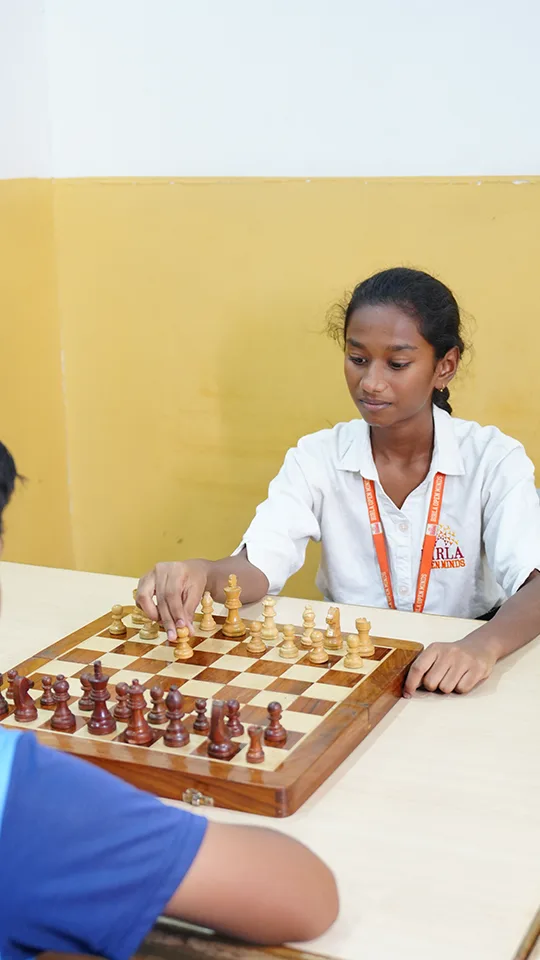
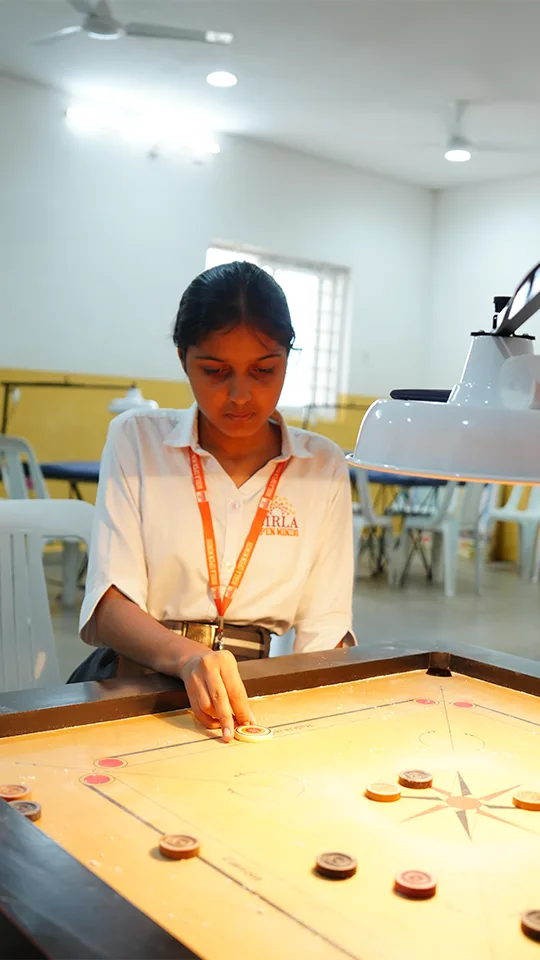
School also makes room for games, conversation and time with classmates. Chess, carrom and table tennis ask children to wait their turn, concentrate, make decisions and try again.
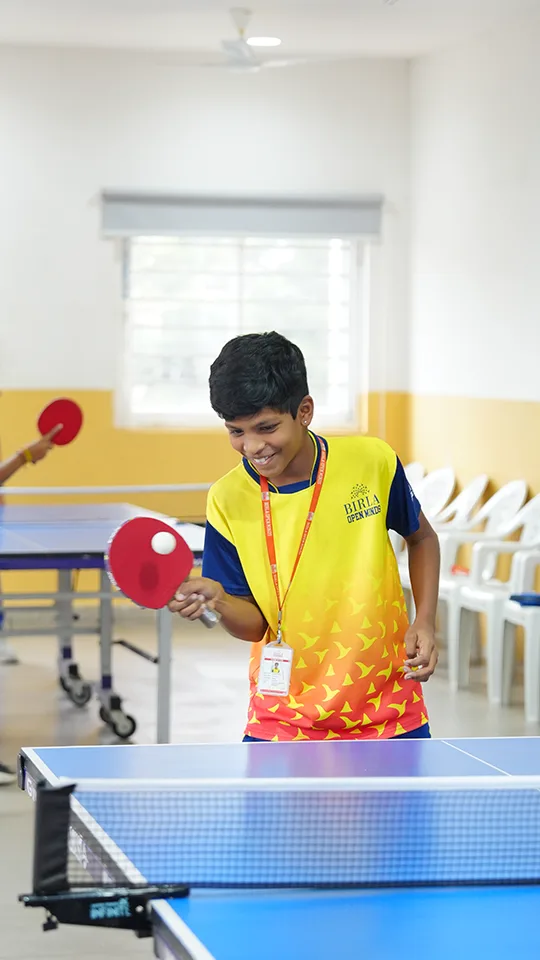
Running after a ball, practising a new skill or learning to balance takes patience and teamwork. Different sports offer different challenges—and each lets children see what practice can do.
Ask about activities by grade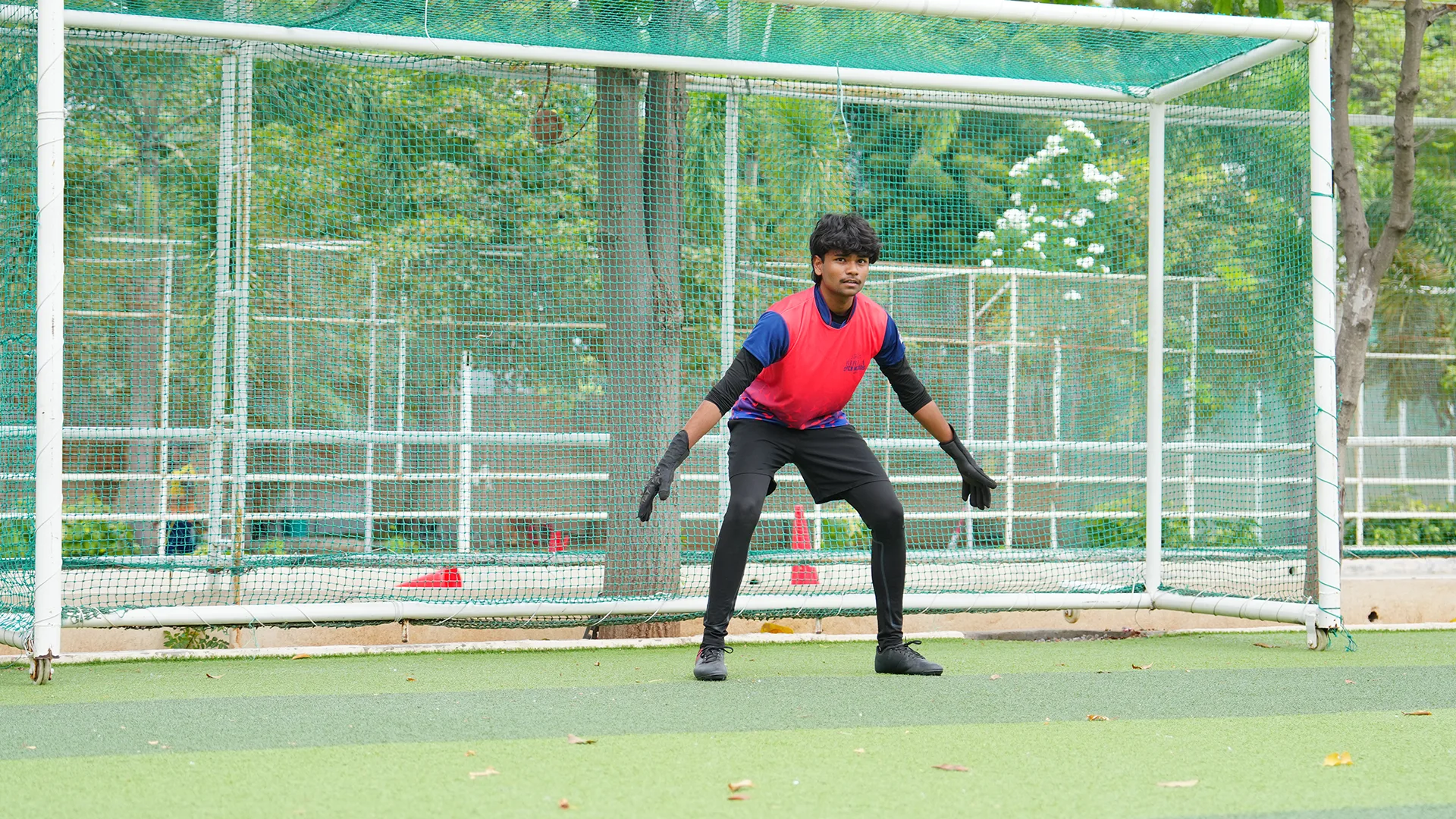
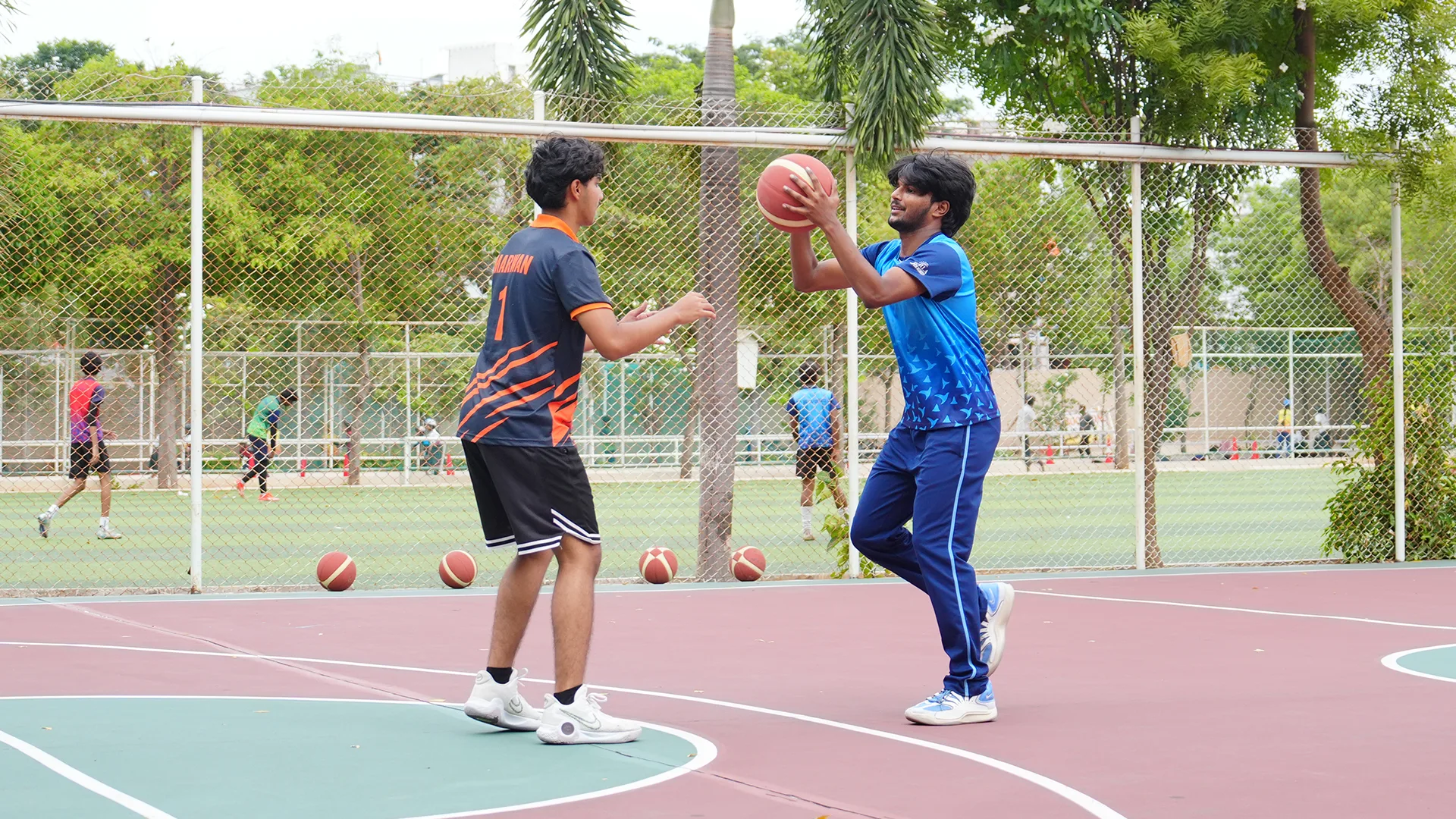
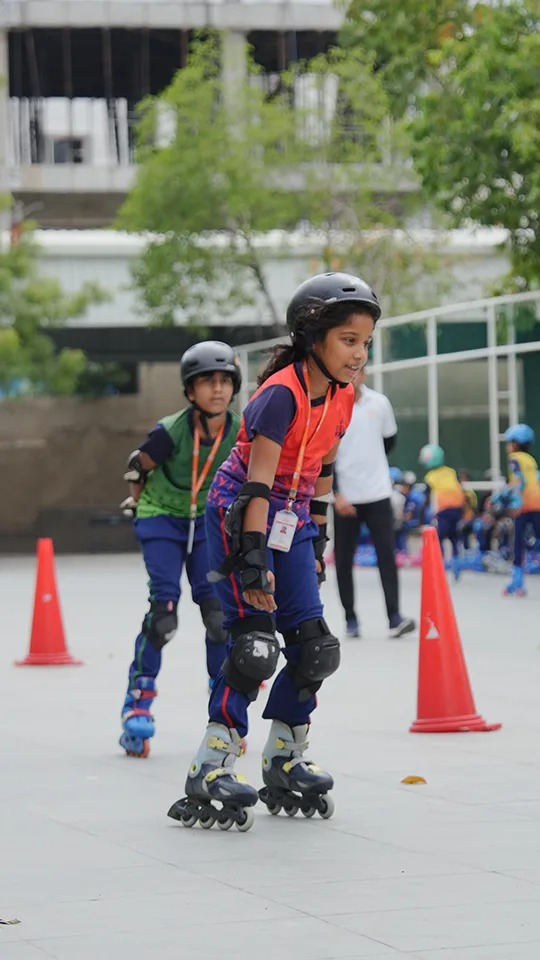
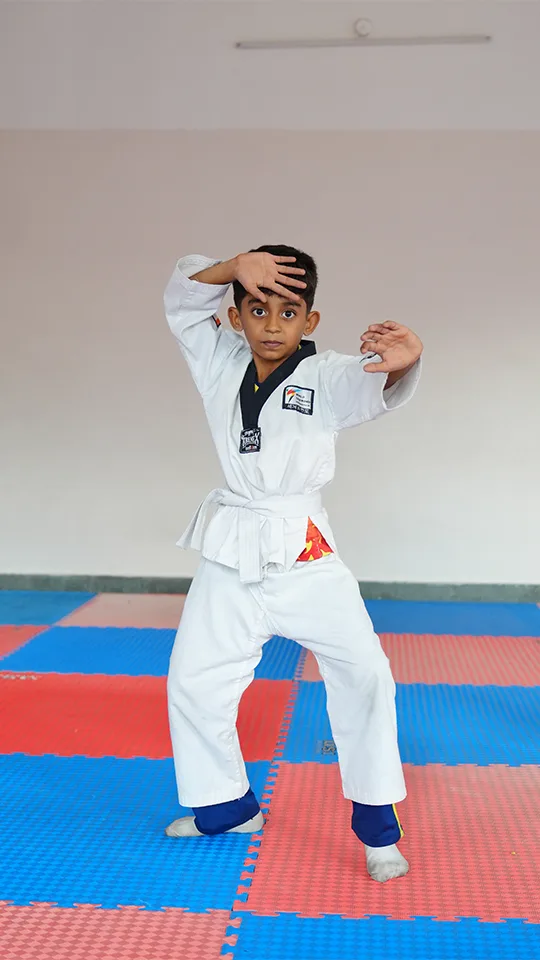
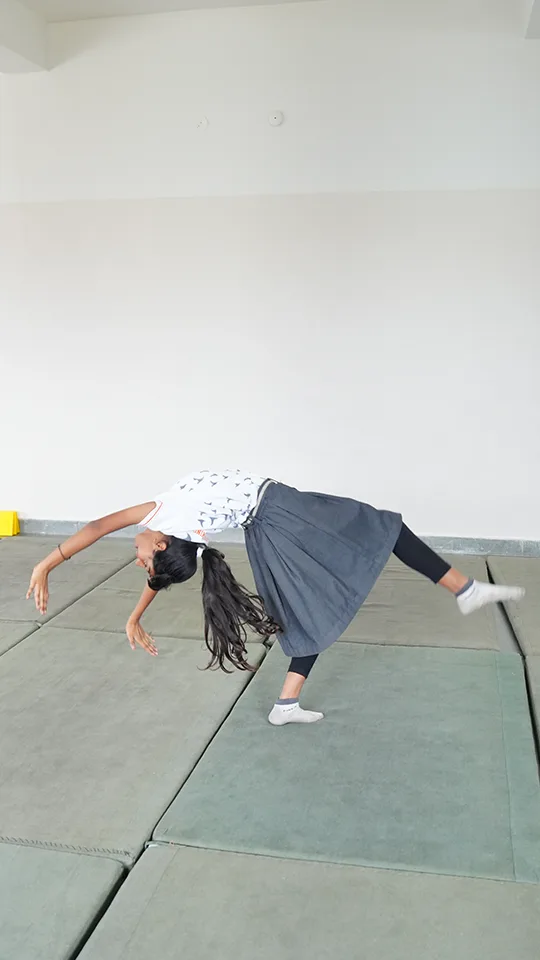
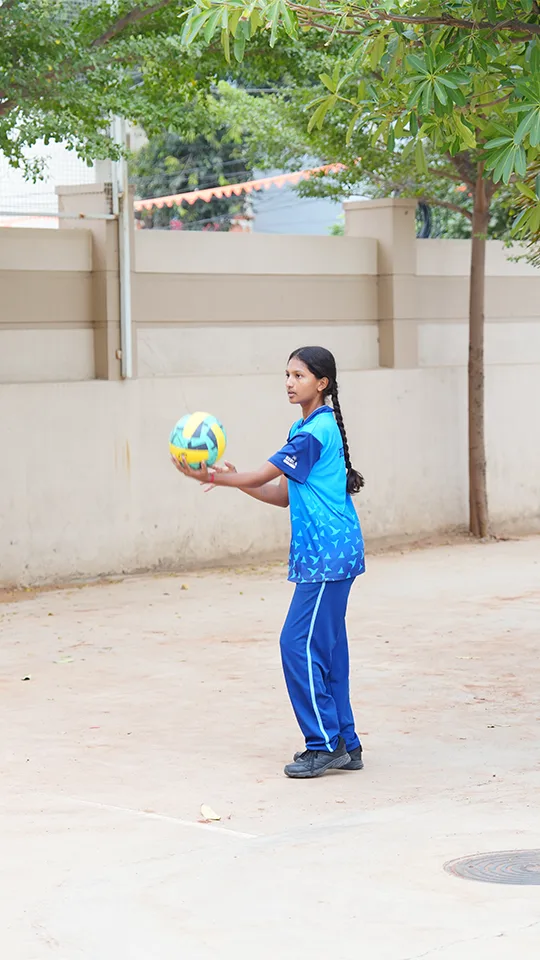
The photographs illustrate the range of activities. These are not all scheduled in a single day; confirm current programmes and facilities with Admissions.
In music and dance, children learn by listening, repeating, working with others and performing. The process can be as important as the final presentation.
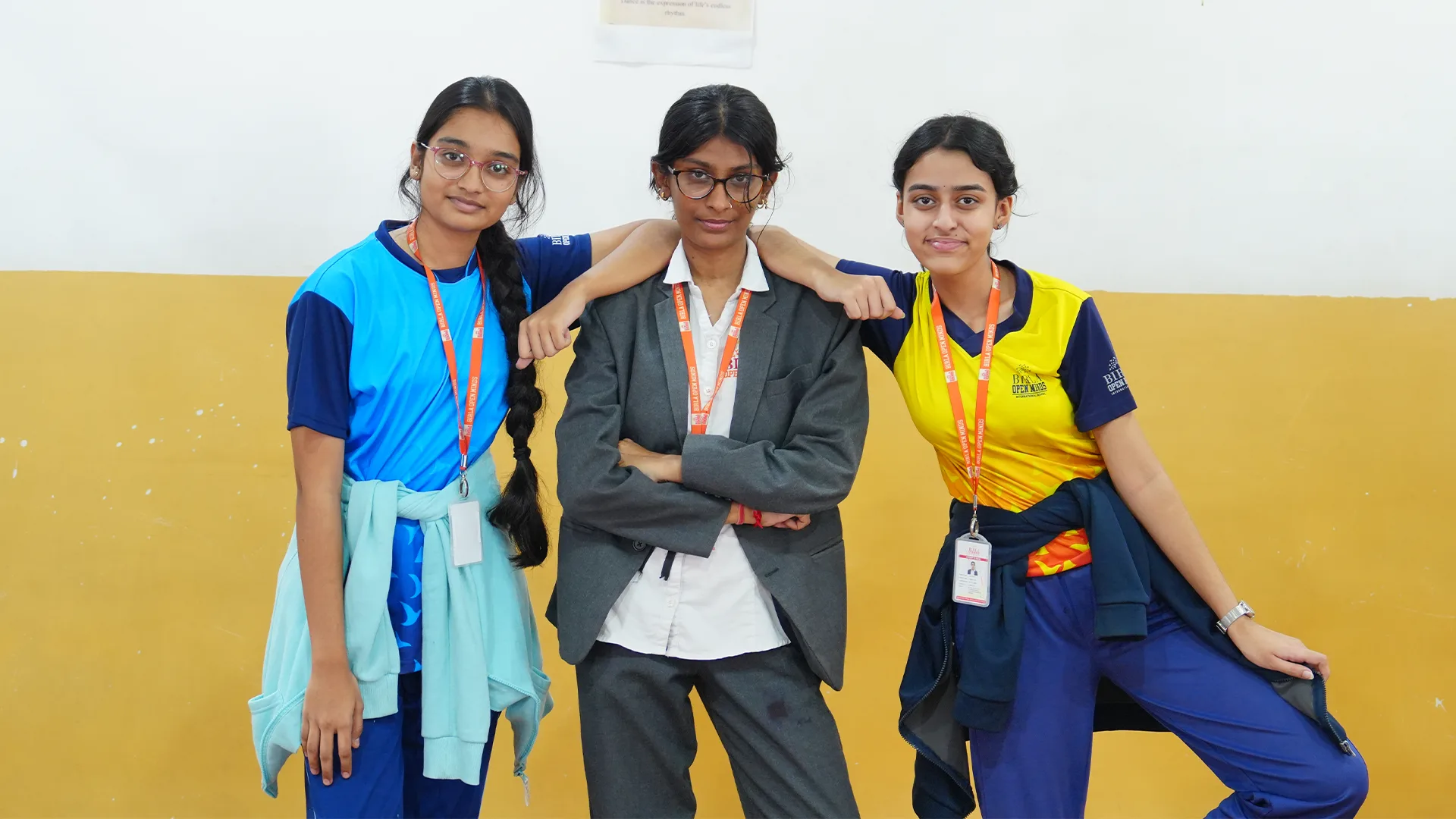
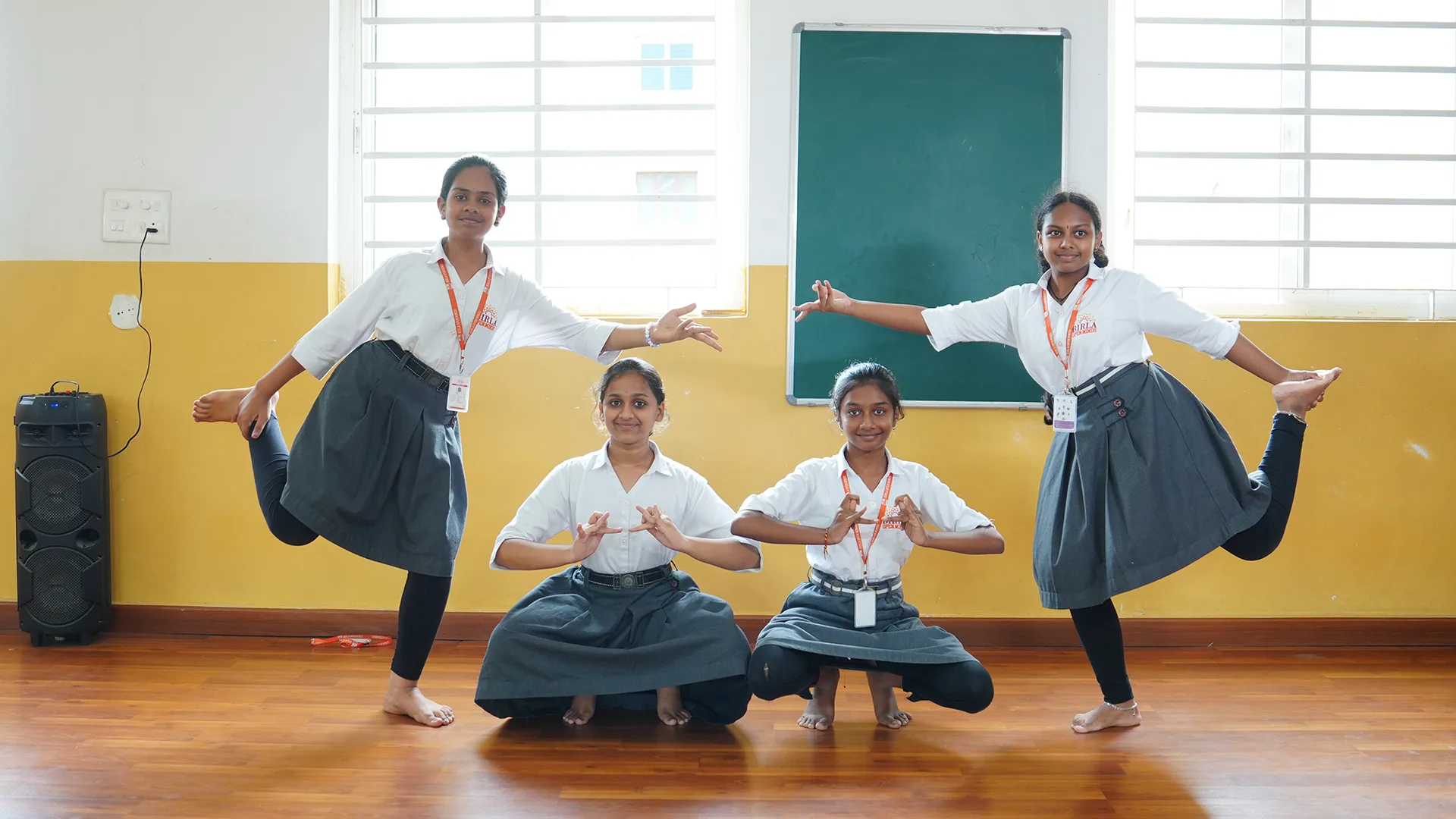
A question from class. A game they enjoyed. A book they found. A skill they're still practising. These small details often become the stories children bring home.
That's what we want parents to see when they ask about school life: academics, relationships, physical activity and creativity all have a place.
Ask our Admissions Team about classroom learning, activities, transport and visiting the Shamshabad campus.