01 / STUDY AREA
Languages
English Language Arts, a second or regional language, and a third language help build reading, writing and communication.
Students begin to explore each subject in greater depth, take more responsibility for their work and learn to apply what they know.
The Birla Open Minds Middle School programme combines subject-based teaching with practical activities, discussion and opportunities to work with others.
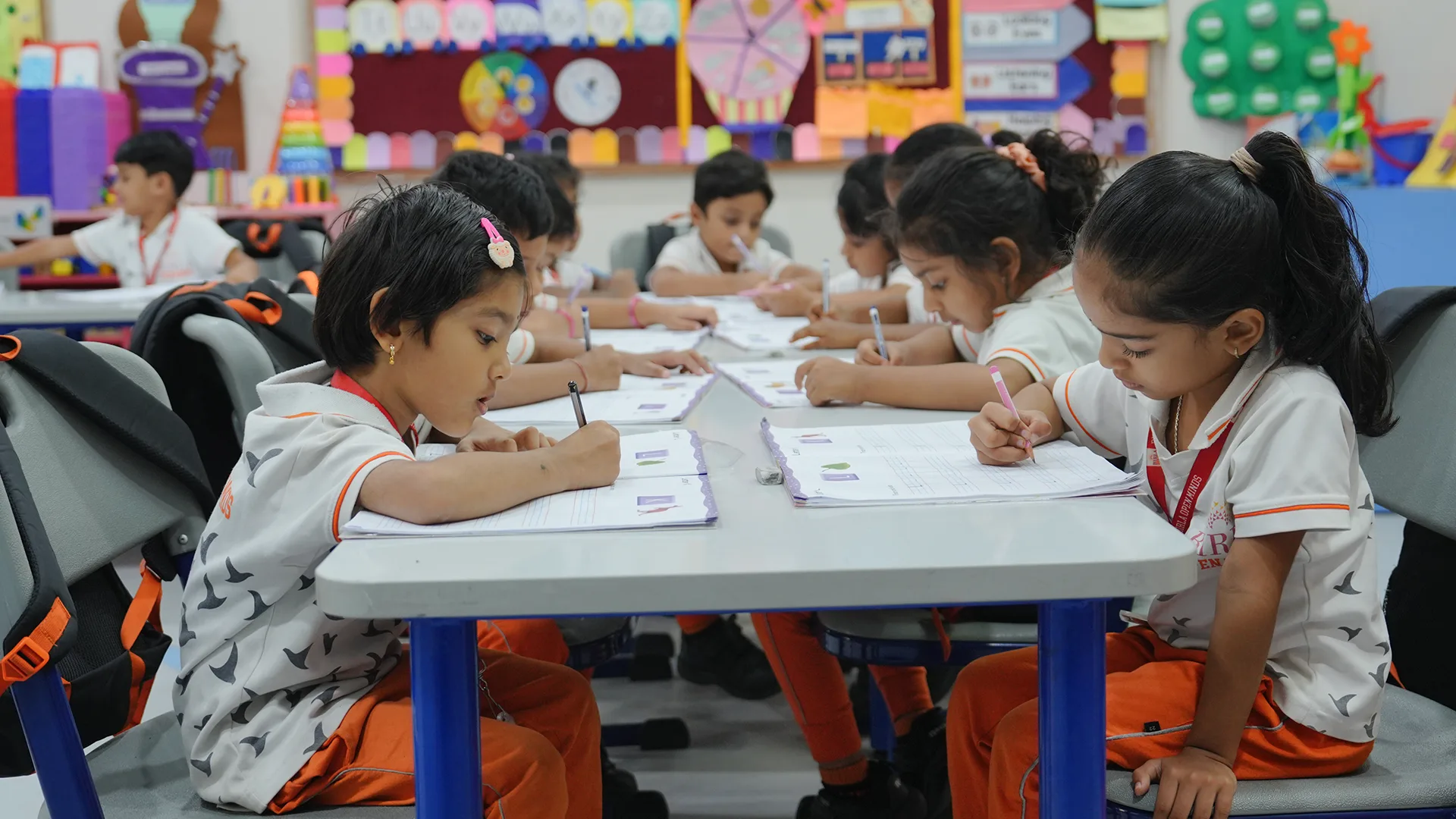
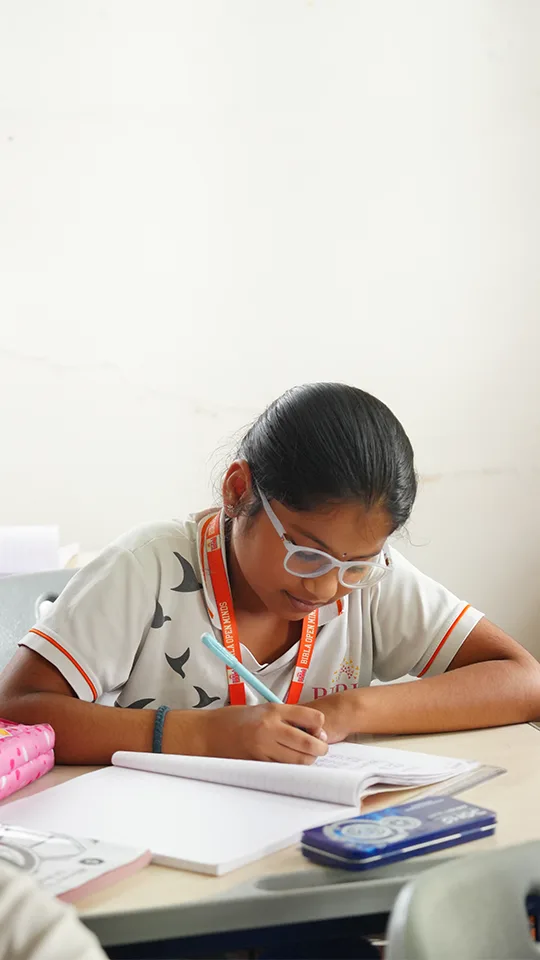
Children are ready to handle more complex ideas. They also need guidance as they become more independent.
In Middle School, individual subjects take on greater depth. Teachers continue to connect topics where it helps children understand how knowledge works outside a single classroom or textbook.
Students are encouraged to explain, investigate and think beyond the first answer.
Discussion, group activities and practical tasks create more ways to participate.
Planning work, presenting ideas and acting on feedback become increasingly important.
The published Middle School curriculum lists languages, Mathematics, Science, Social Studies and ICT, alongside a range of co-scholastic experiences.
English Language Arts, a second or regional language, and a third language help build reading, writing and communication.
Students strengthen number work, reasoning and problem-solving, and learn to explain how they reach an answer.
Scientific ideas are explored through observation, questions, demonstrations and practical investigation.
History, geography and society help students understand people, places and events beyond their immediate surroundings.
Information and Communication Technology supports digital understanding and the use of technology in learning.
Teachers look for useful links between subjects so that students can apply ideas in more than one context.
For parents: Language options and the subject timetable may vary by grade. Please ask the Shamshabad admissions team for the latest details.
Lessons are designed to make room for investigation, shared work and the practical use of concepts.
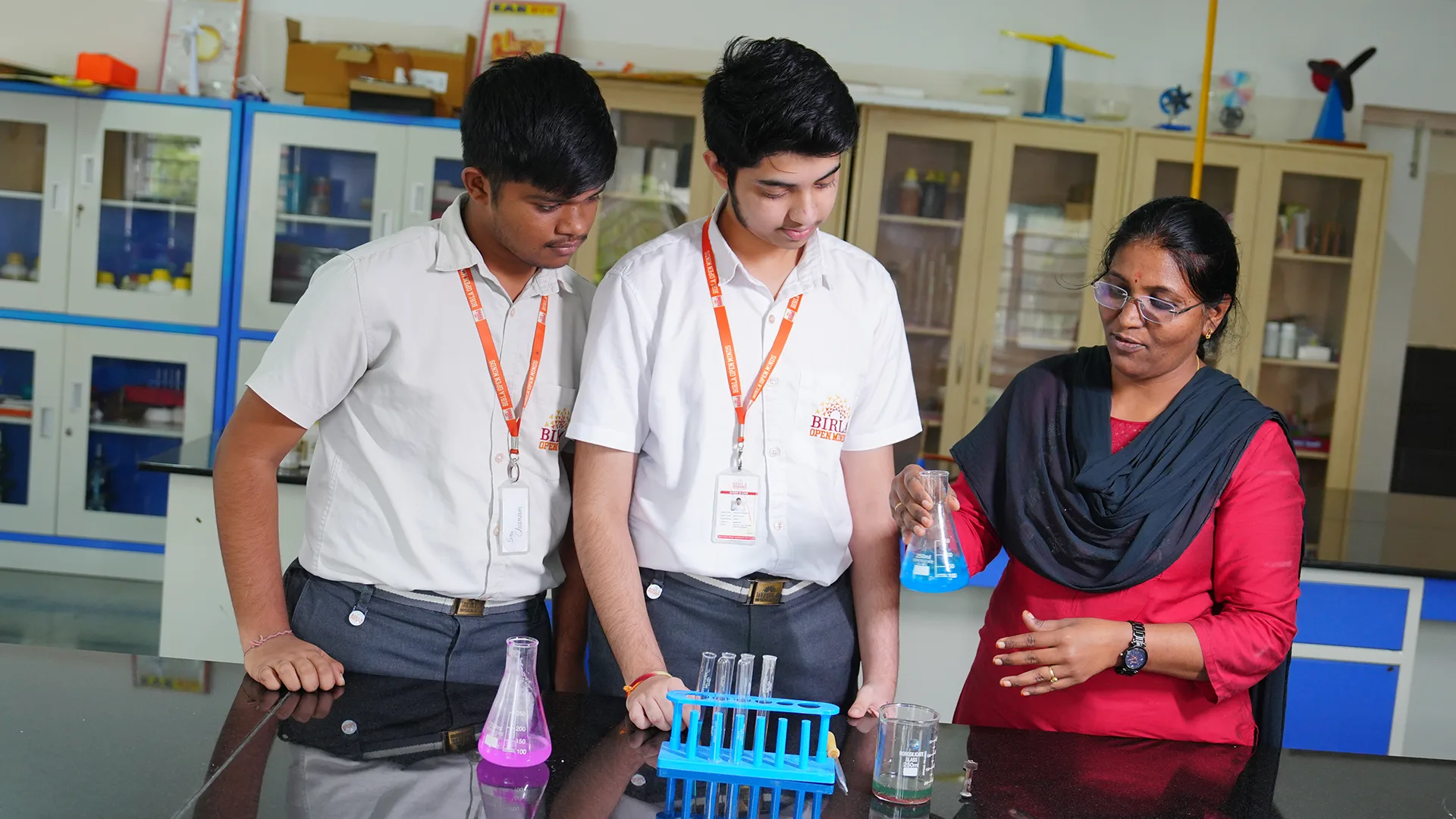
Observations, demonstrations and experiments help students connect scientific ideas to what they can see and test.
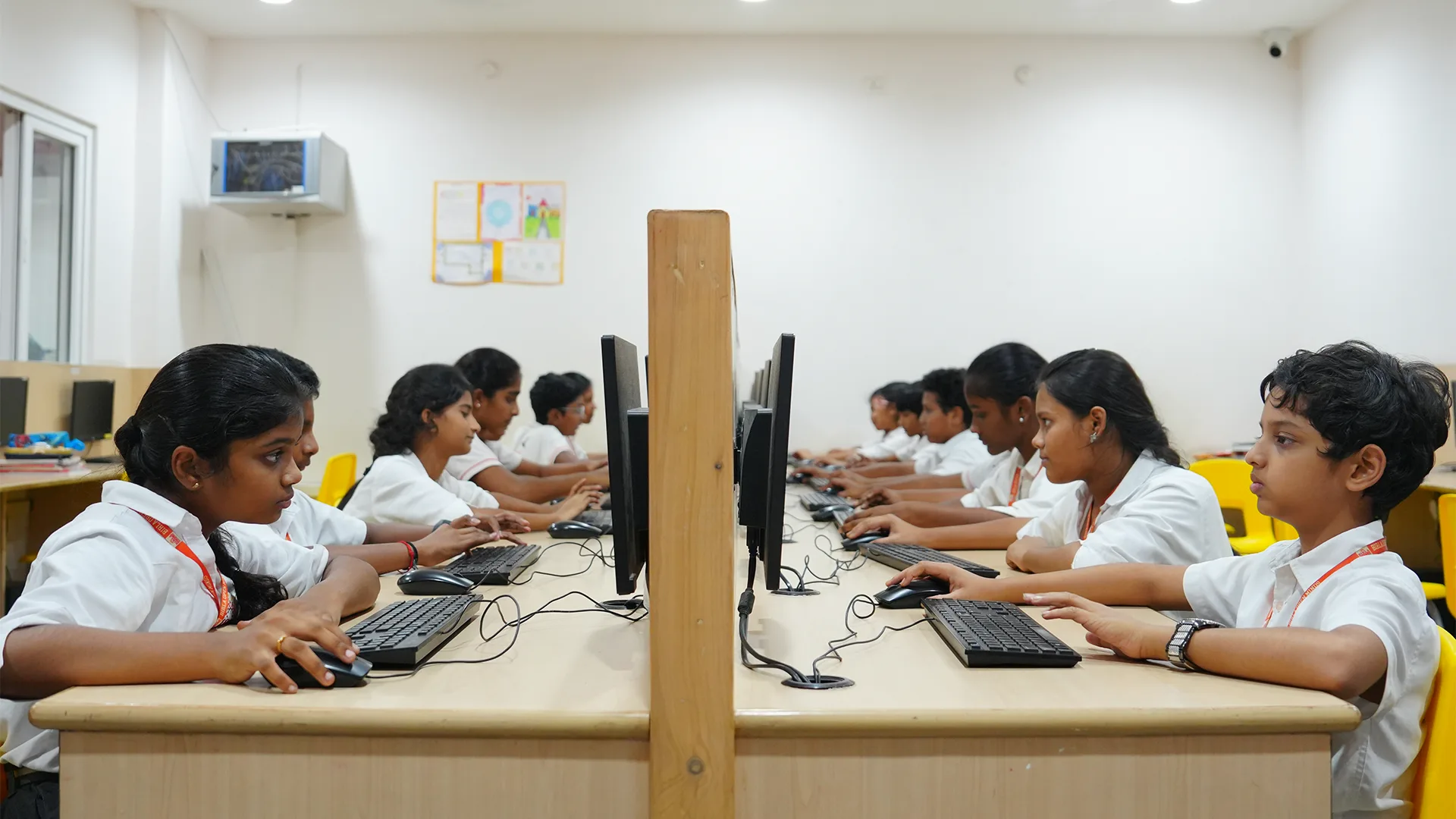
Projects and technology-based activities provide opportunities to practise skills rather than only remember information.
Co-scholastic learning is part of the Birla Open Minds curriculum, alongside English, Science, Mathematics and other subjects.
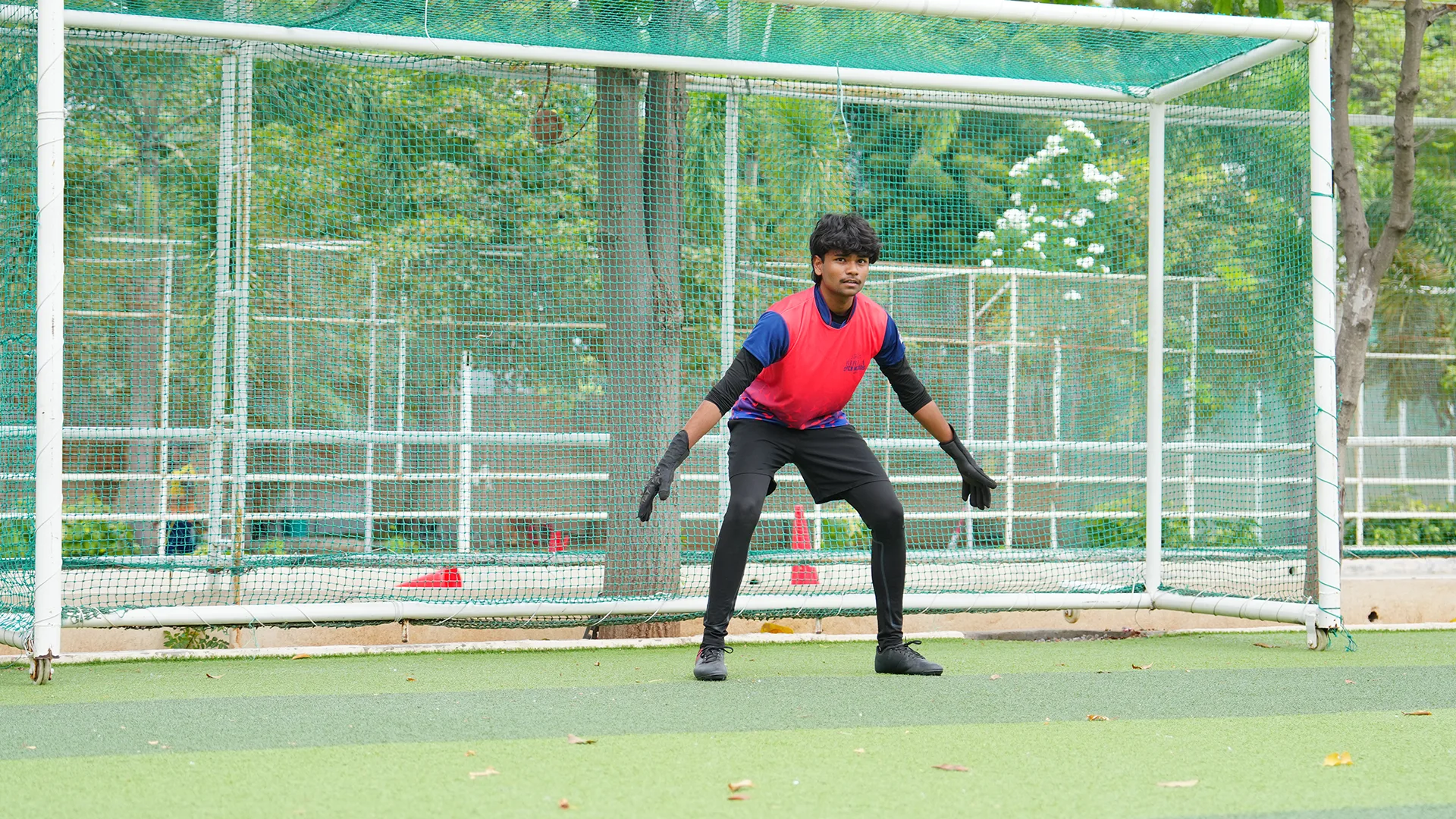
Individual and team sports support participation, fitness and shared goals.
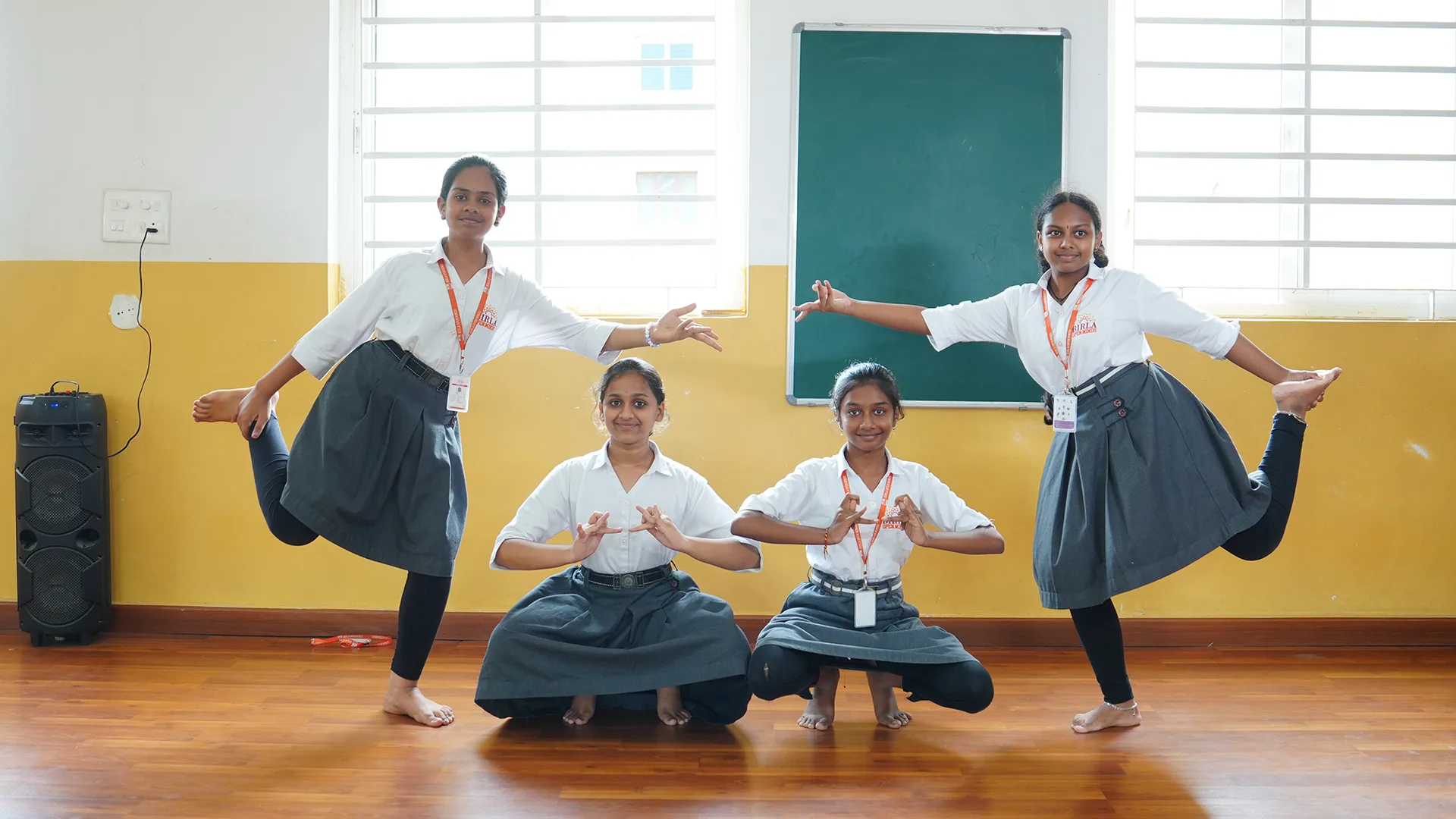
Creative work gives students opportunities to perform, experiment and express ideas.
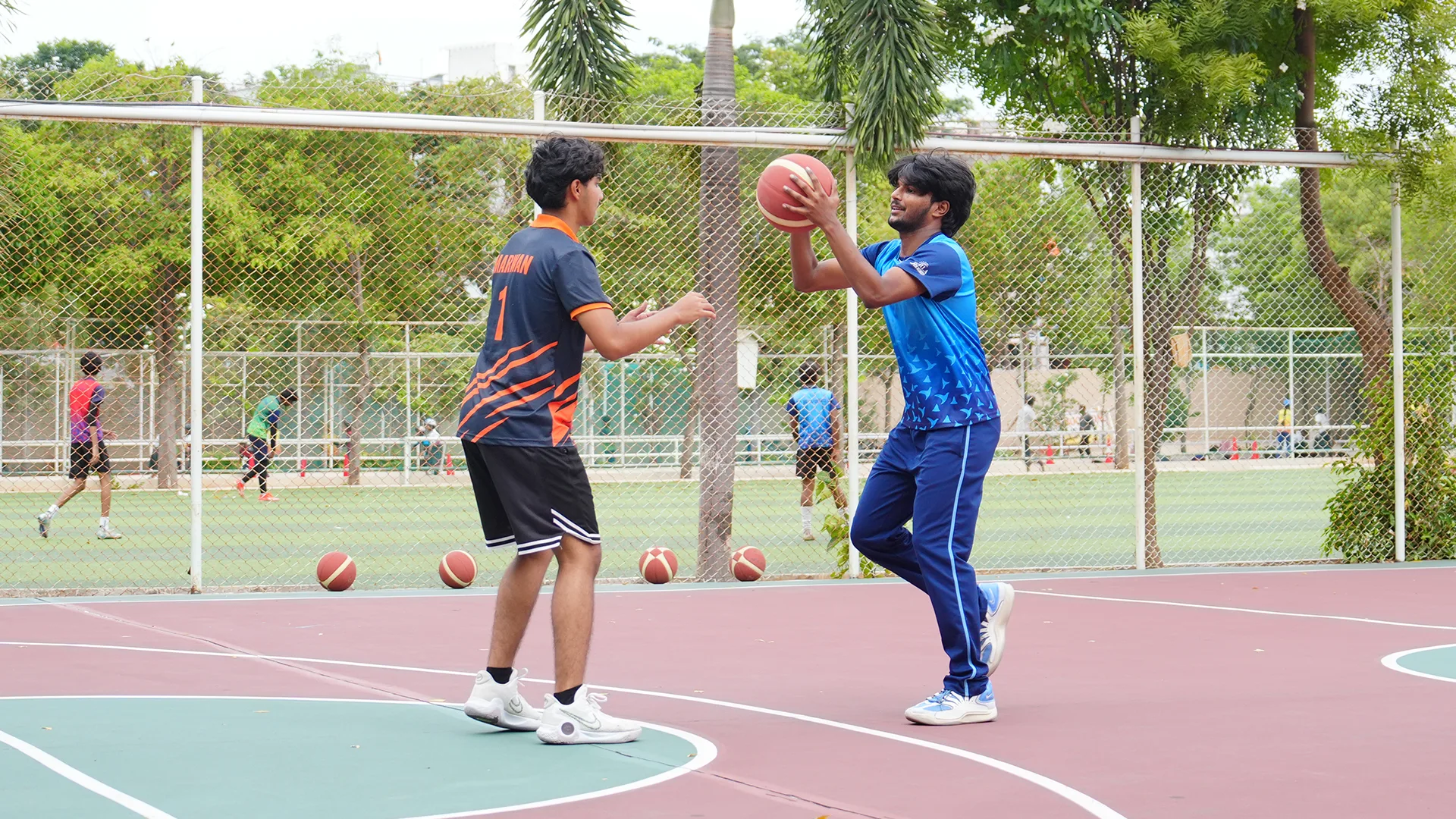
Games and group activities help children practise communication and cooperation.
Birla Open Minds' specialised programme for physical education, yoga and sports, supporting skills, fitness and health awareness.
Age-appropriate learning about wellbeing, relationships, social awareness and responsible choices.
A Birla Open Minds programme addressing emotions, motivation, peer pressure, leadership and time management.
The programme above describes the Birla Open Minds curriculum. Ask the Shamshabad campus team which activities and facilities are currently available.
Explore School LifeThe curriculum combines regular classroom checks with more formal assessments. The aim is to understand what a student knows, where they need support and how they can improve.
Ask about the programmeTeachers identify what learners already understand before building on it.
Classwork, projects, tasks, rubrics, discussions and written work help track progress during learning.
Assessments include questions that test comprehension, application, analysis and critical thinking.
Middle School is a stage when regular conversations matter. Teachers help students approach new responsibilities, while feedback gives families a better understanding of learning and progress.
Speak with our admissions team about the curriculum, grade availability and a visit to the campus.