English and languages
Listening, reading, speaking and writing are practised through stories, discussion, written work and additional languages.
PRIMARY YEARS · GRADES 1 TO 4
Reading, numbers, questions — and finding out how things work.
Primary School builds strong foundations in language, mathematics and everyday reasoning. Children also explore science, the environment, technology, sport and the arts. The Birla Open Minds curriculum connects these areas so that learning has meaning beyond a single lesson.
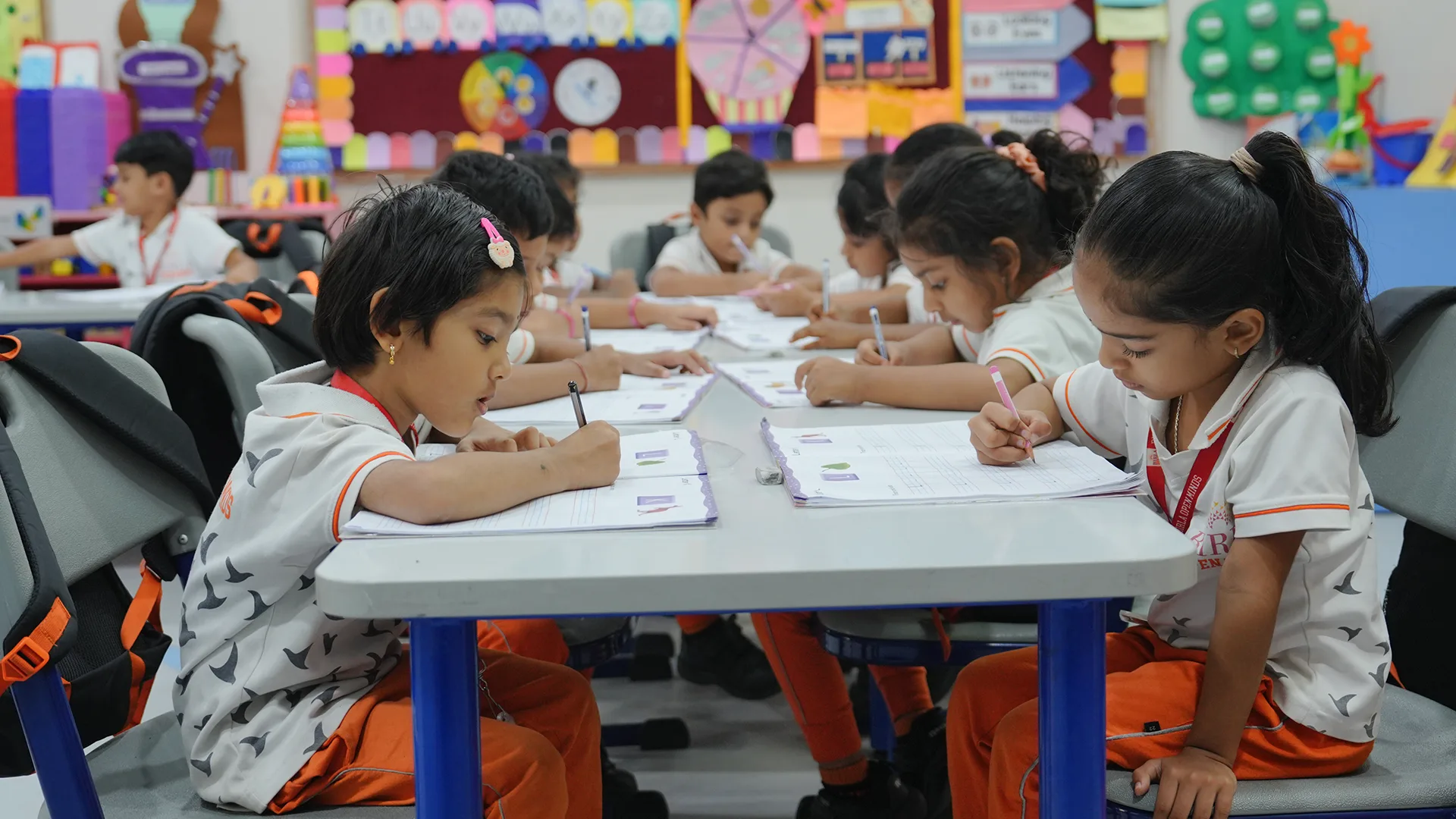
The curriculum brings subjects together through themes, while giving children time to practise essential skills on their own. A topic may involve a story, a number problem, a discussion, an observation or a practical task.
At this stage, the aim is to become better readers, writers, problem-solvers and communicators — and to start making connections between what happens in class and everyday life.
Listening, reading, speaking and writing are practised through stories, discussion, written work and additional languages.
Children build number sense, practise methods and work through problems, patterns and everyday situations.
Nature, community and the world around them become starting points for observation, questions and investigation.
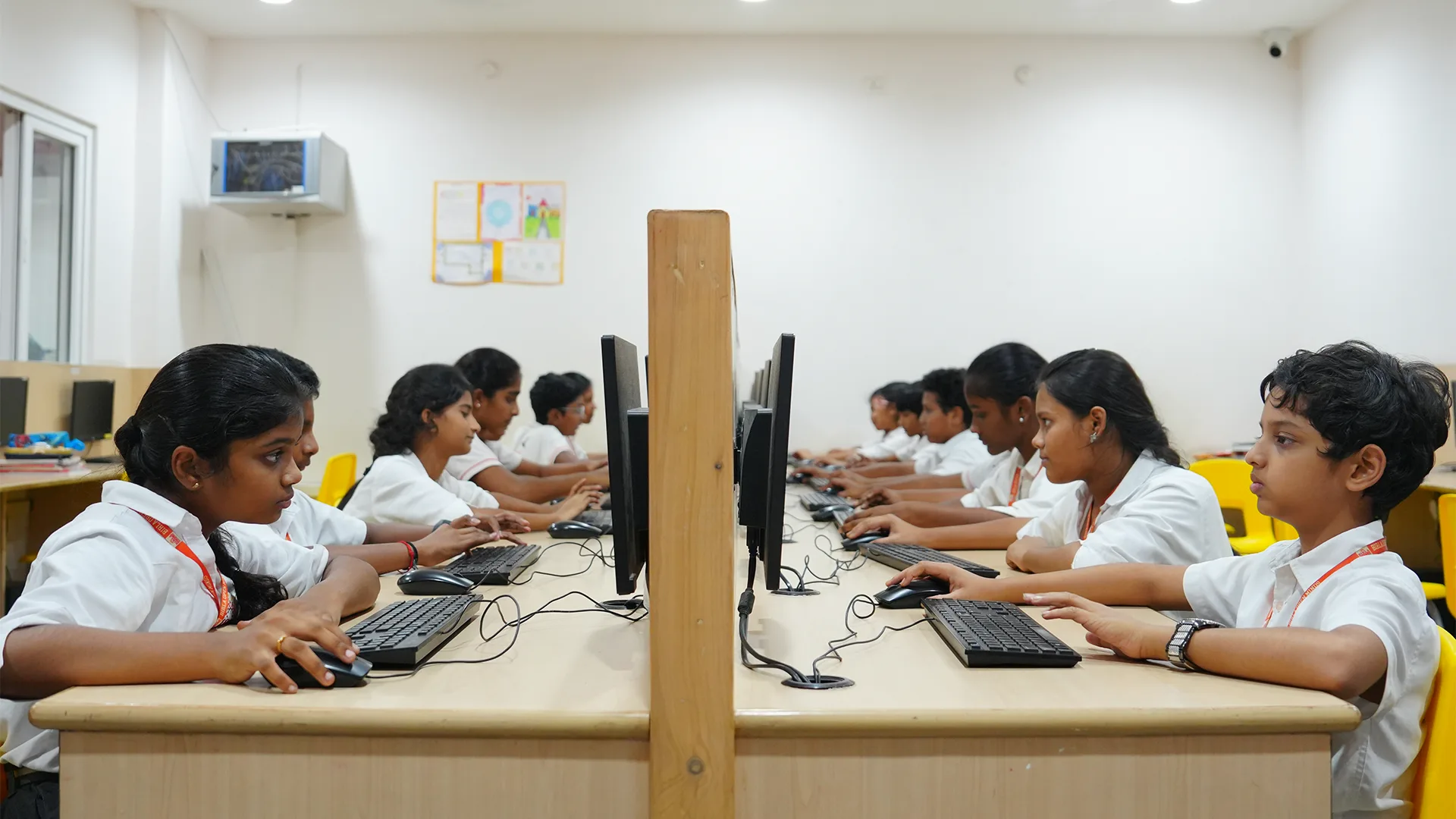
Age-appropriate computer learning introduces digital tools and ways to use technology thoughtfully.
Music, performing arts and visual arts give children opportunities to create and communicate in different ways.
Physical education, SPEED, Soul Science and social learning complement classroom subjects.
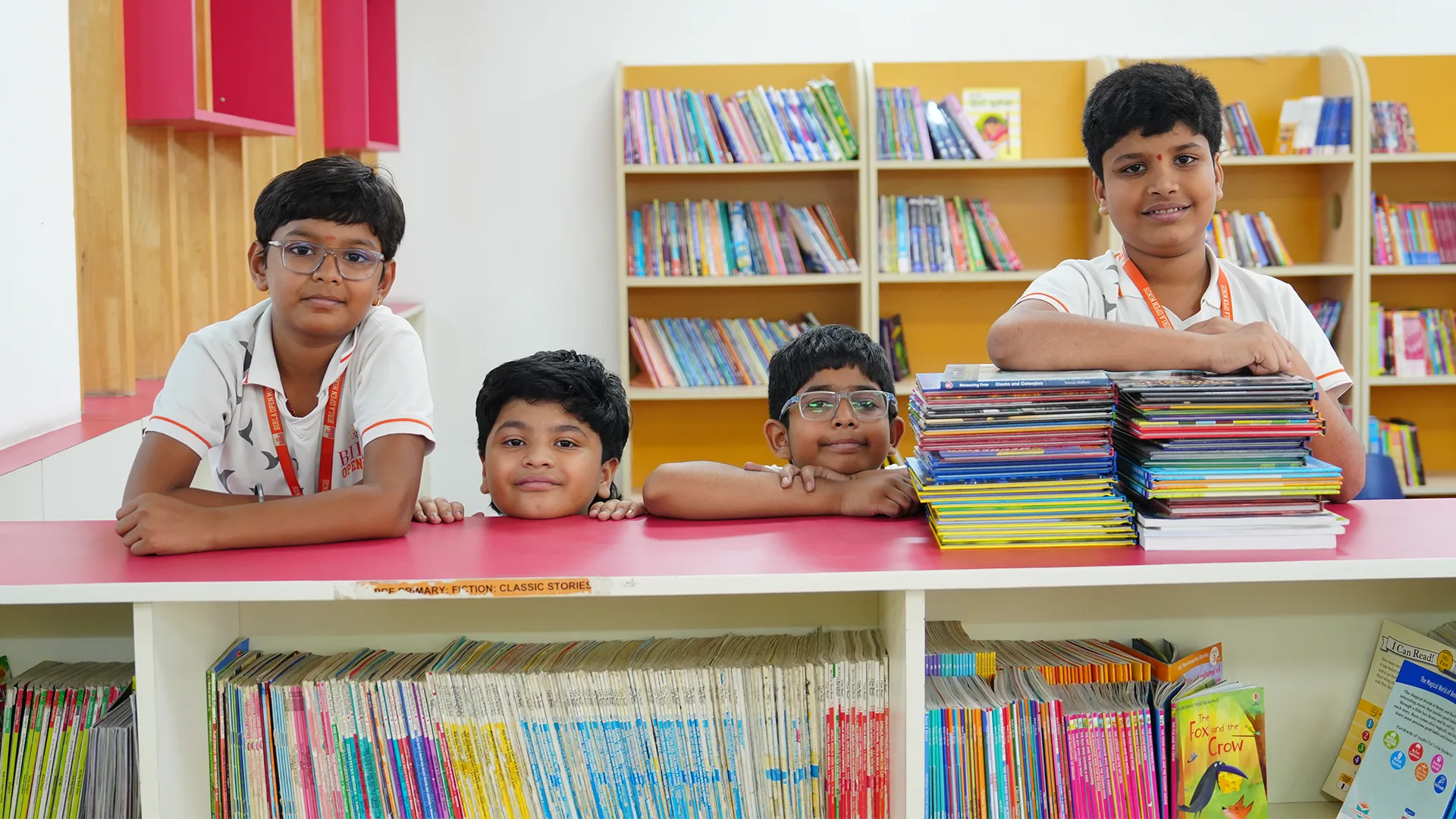
From reading and working with computers to sharing ideas with other students, learning takes different forms.
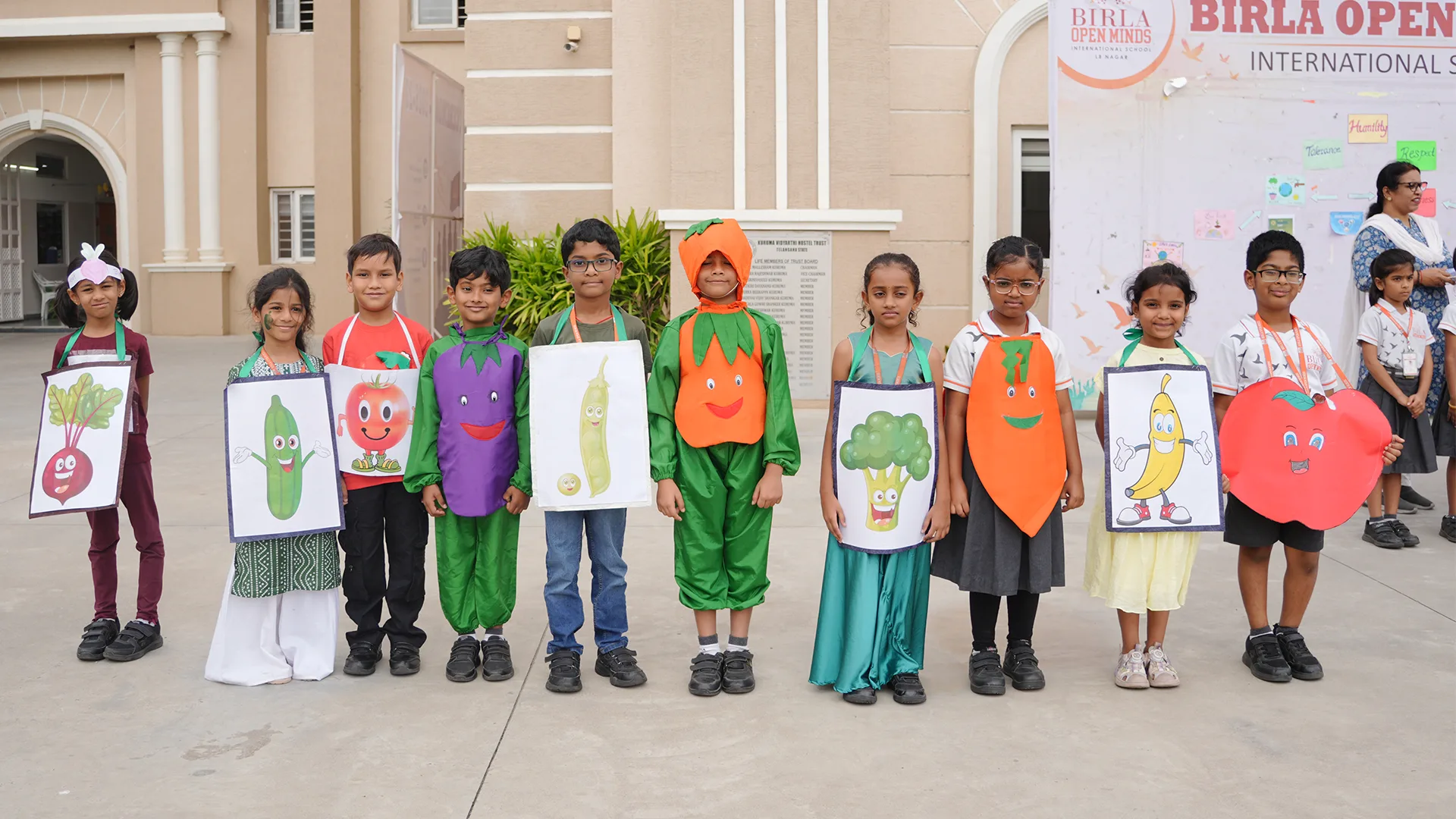
In the Birla Open Minds Primary Years framework, six integrated themes bring together ideas from different subjects. Separate skills and subject weeks provide dedicated time for the fundamentals.
The curriculum structure below describes the broader Birla Open Minds approach. The school can explain its current grade-wise plan and timetable for Shamshabad.
Understand the admission processEach theme usually lasts four to six weeks. Children explore a shared idea through reading, writing, maths, the environment, creative work and class activities.
Alongside themed learning, the curriculum includes dedicated skill-building and subject-focused weeks to strengthen reading, writing, mathematics and science.
Teachers use classroom evidence and theme-end and term-end assessments to understand each child's progress and where help or a new challenge is needed.
A Primary School day also includes opportunities to move, make things, work with others and learn how to make thoughtful decisions.
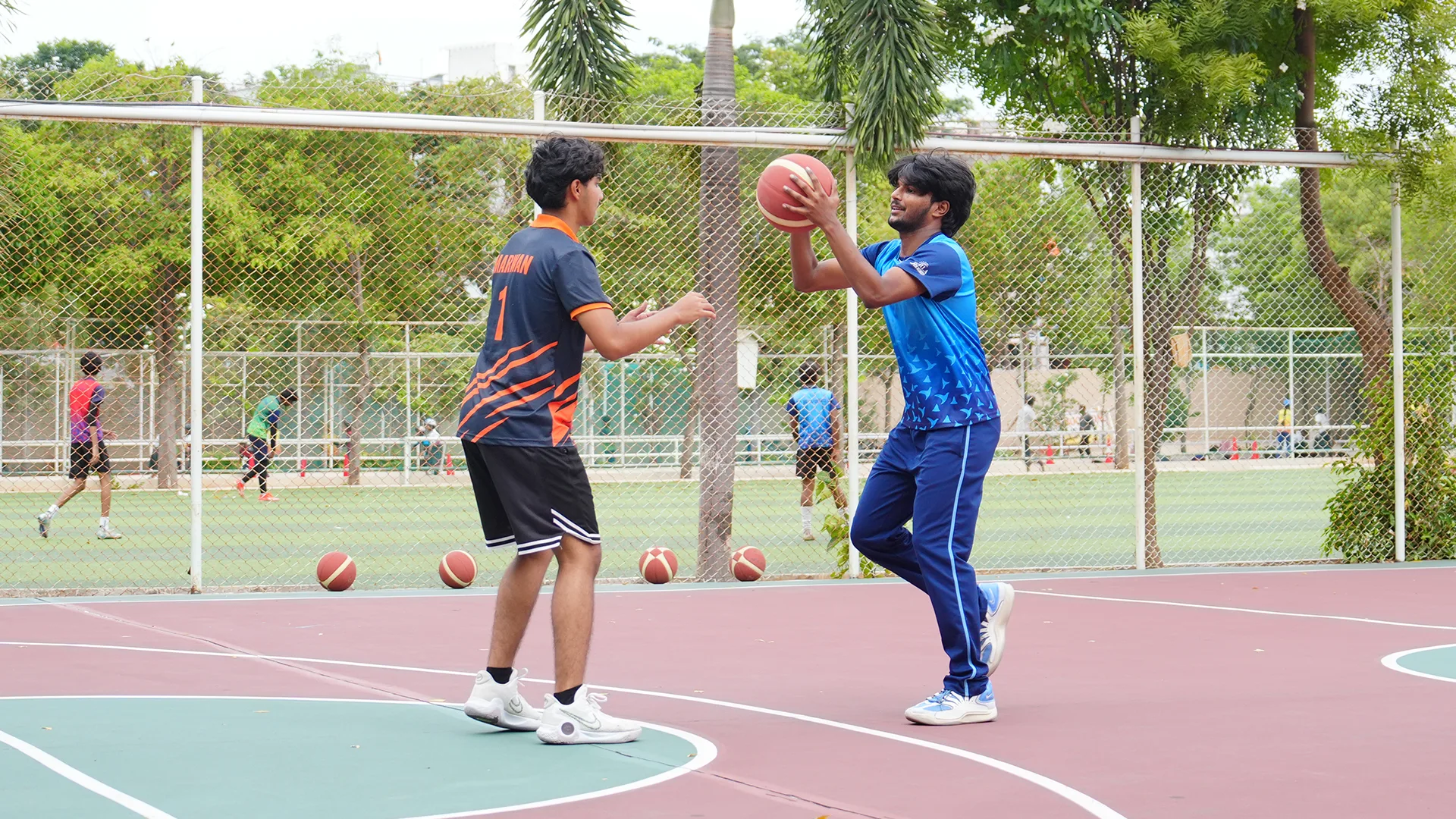
The SPEED framework brings physical education, yoga and sport into the broader programme.
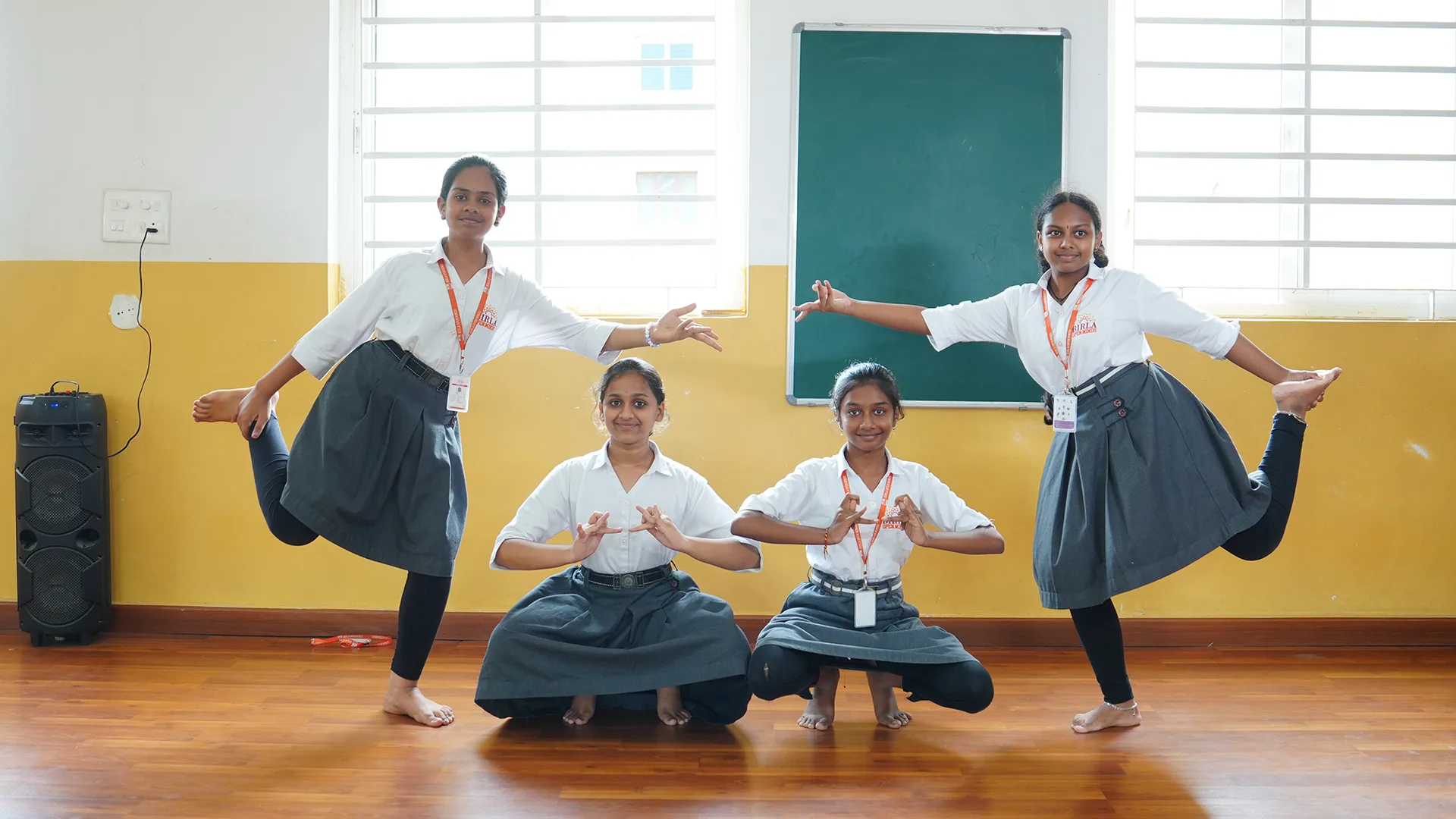
Performing and visual arts help students try new interests and express their ideas.
Children learn about relationships, emotions, responsibility and respect for others.
The school's stated values include Care · Co-operation · Collaboration · Courtesy.
Assessment is part of teaching. The wider Birla Open Minds framework uses ongoing classroom work and periodic checks to understand how a child is learning, rather than relying on a single final result.
Portfolios, progress reports and teachers' feedback help families see developing skills and identify areas where further support may be useful.
Tasks, discussions, practice and assignments provide evidence of how students use what they learn.
Assessments help teachers identify what children understand and which skills need more attention.
Detailed reports and individual work portfolios document learning over time.
A campus conversation is a good way to understand how the curriculum, classroom teaching and activities are organised for your child's grade.
Programmes and facilities in Birla Open Minds brochures describe the wider network. Please confirm current availability at Shamshabad.
Request a campus visitThe admissions team can clarify fees, the current academic session, available grades and subjects for the Shamshabad campus.
Contact the schoolThe published Primary Years programme covers Grades 1–4. Grade-wise admission availability and the current session should be confirmed with the school.
Each theme generally runs for four to six weeks, bringing together ideas from different subjects. Children use reading, numeracy, observation, discussion and creative activities to make connections.
The wider Birla Primary Years framework includes English, additional languages, Environmental Studies, Mathematics and ICT, together with performing arts, visual arts, physical education, SPEED and Soul Science. Confirm the grade-wise timetable and language offerings with the Shamshabad team.
Theme-end and term-end assessments, ongoing classroom work, detailed reports and individual portfolios are part of the curriculum approach. Ask the school what its reporting schedule looks like for the relevant grade.
Yes, co-scholastic learning is part of the Birla curriculum framework, alongside academics. Ask which facilities and programmes are currently available at Shamshabad.
Submit an enquiry through the admission page or call +91 73311 90202. The admissions team can help you arrange the next step.
Talk to the admissions team about Grade 1–4 learning, current availability and what a typical school day involves.