Learning centres
Blocks, pretend play, picture books, counting materials, art and exploration give children different ways to practise ideas.
NURSERY TO KINDERGARTEN 2
Children learn a great deal before they ever open a textbook.
Stories, building blocks, songs, movement and conversations all have a place in the early years. The Birla Open Minds approach makes room for these experiences while helping children develop language, independence and confidence.
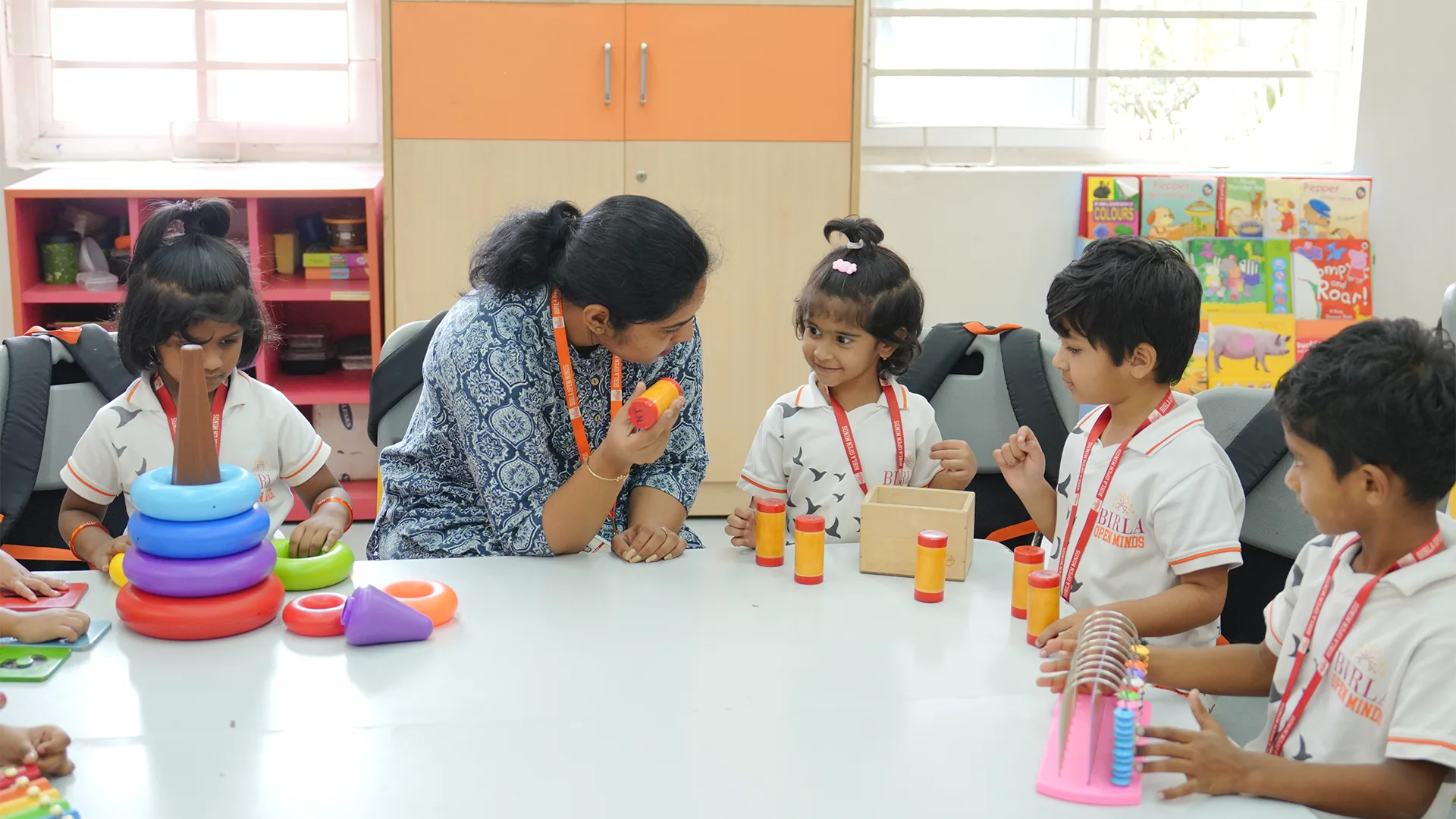
Early-years learning at Birla Open Minds is designed around the child's stage of development. Children handle materials, ask questions, practise new words, make things and learn alongside one another.
The curriculum brings language, early maths, creativity, physical movement and social development into connected experiences, rather than treating them as separate subjects.
Blocks, pretend play, picture books, counting materials, art and exploration give children different ways to practise ideas.
Stories, songs and group conversations help children listen, take turns, speak and feel part of the class.
Puzzles, drawing, sorting and hands-on tasks provide opportunities to build concentration and fine-motor coordination.
Games and age-appropriate physical activities support balance, coordination, curiosity and an interest in the natural world.
Music, art, role-play and movement encourage children to try ideas and express themselves in different ways.
Making choices, looking after belongings, sharing and resolving small disagreements are part of growing up.
A look at classroom activities and the experiences that make up the early years.
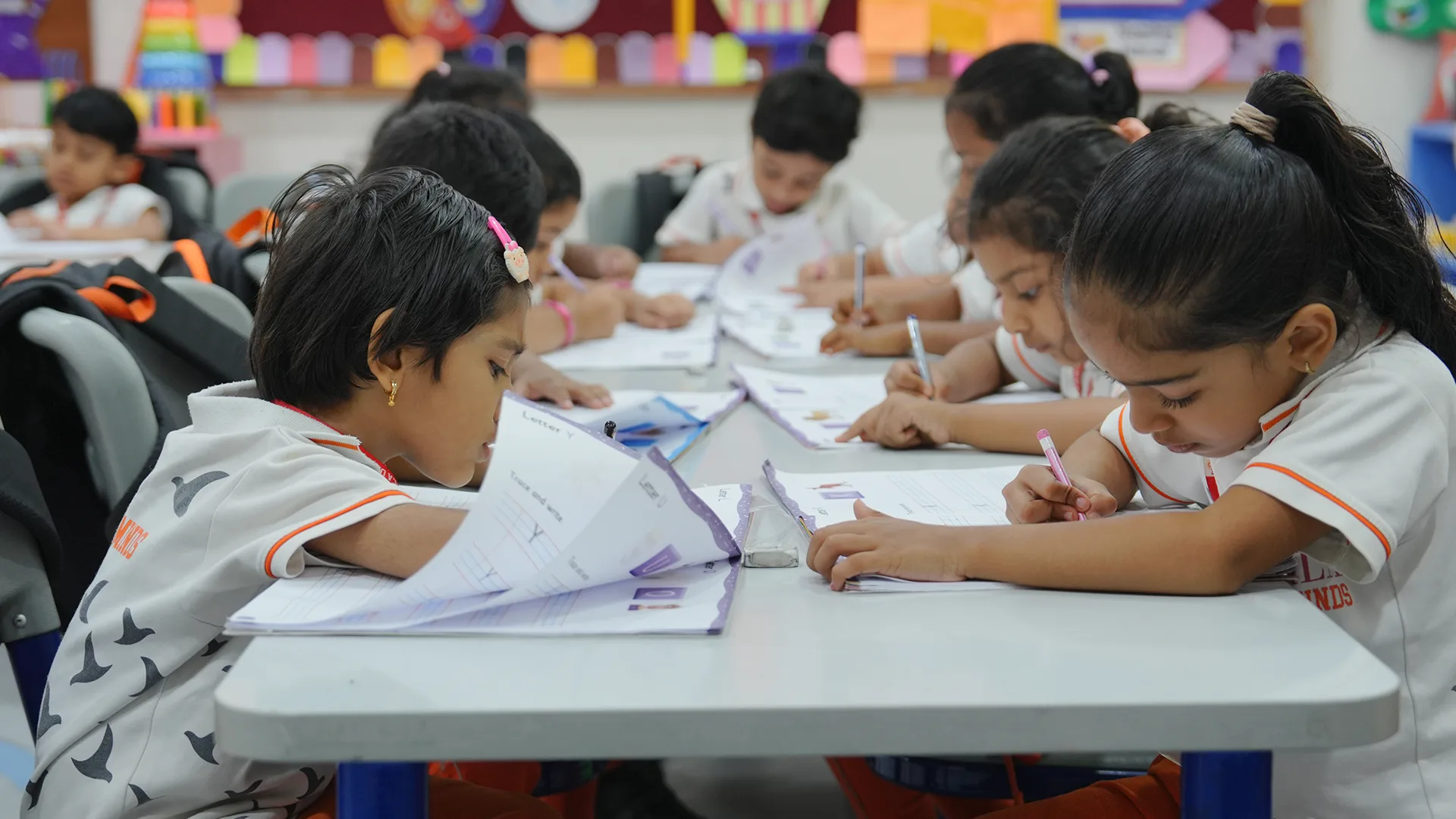
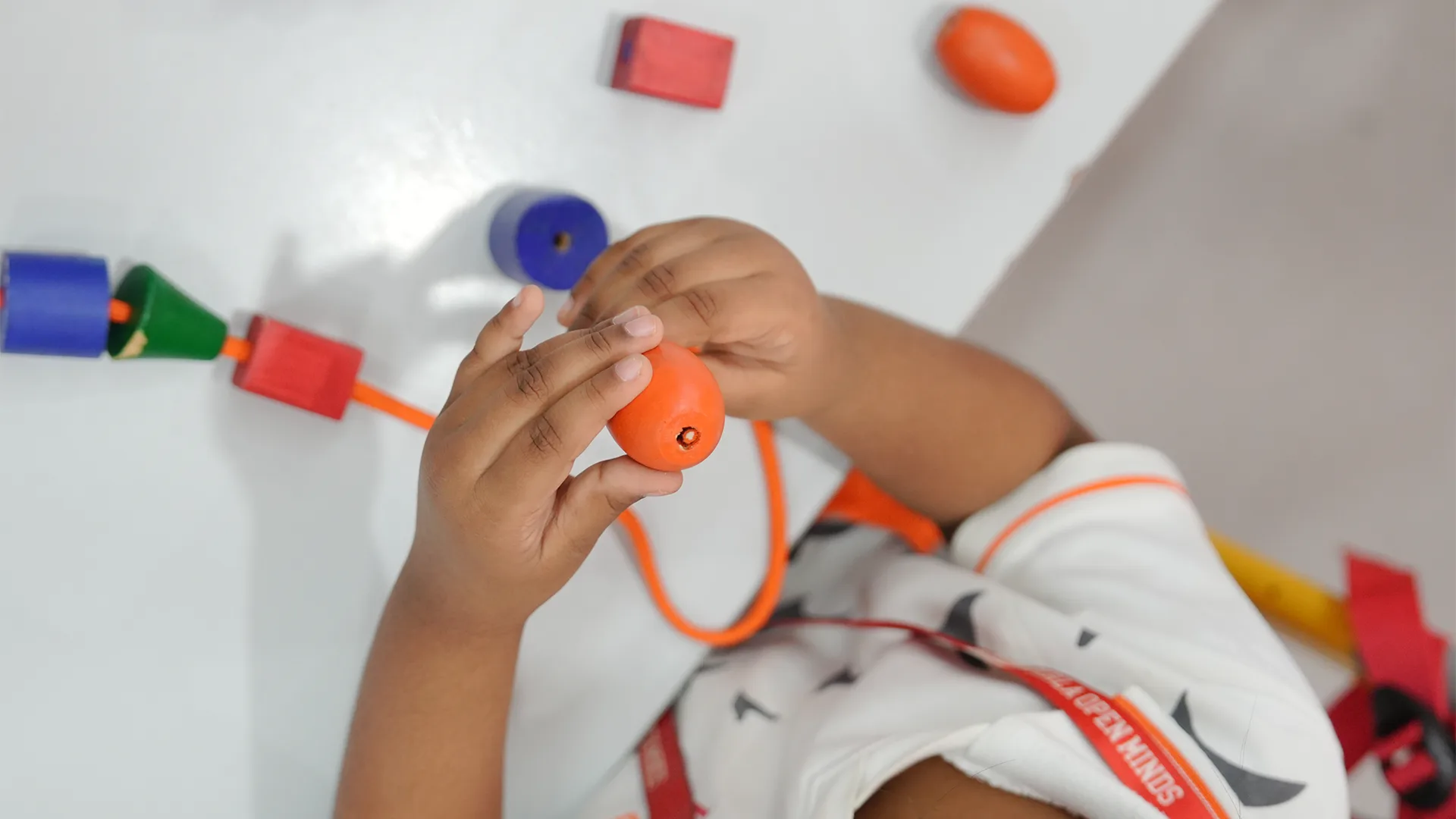
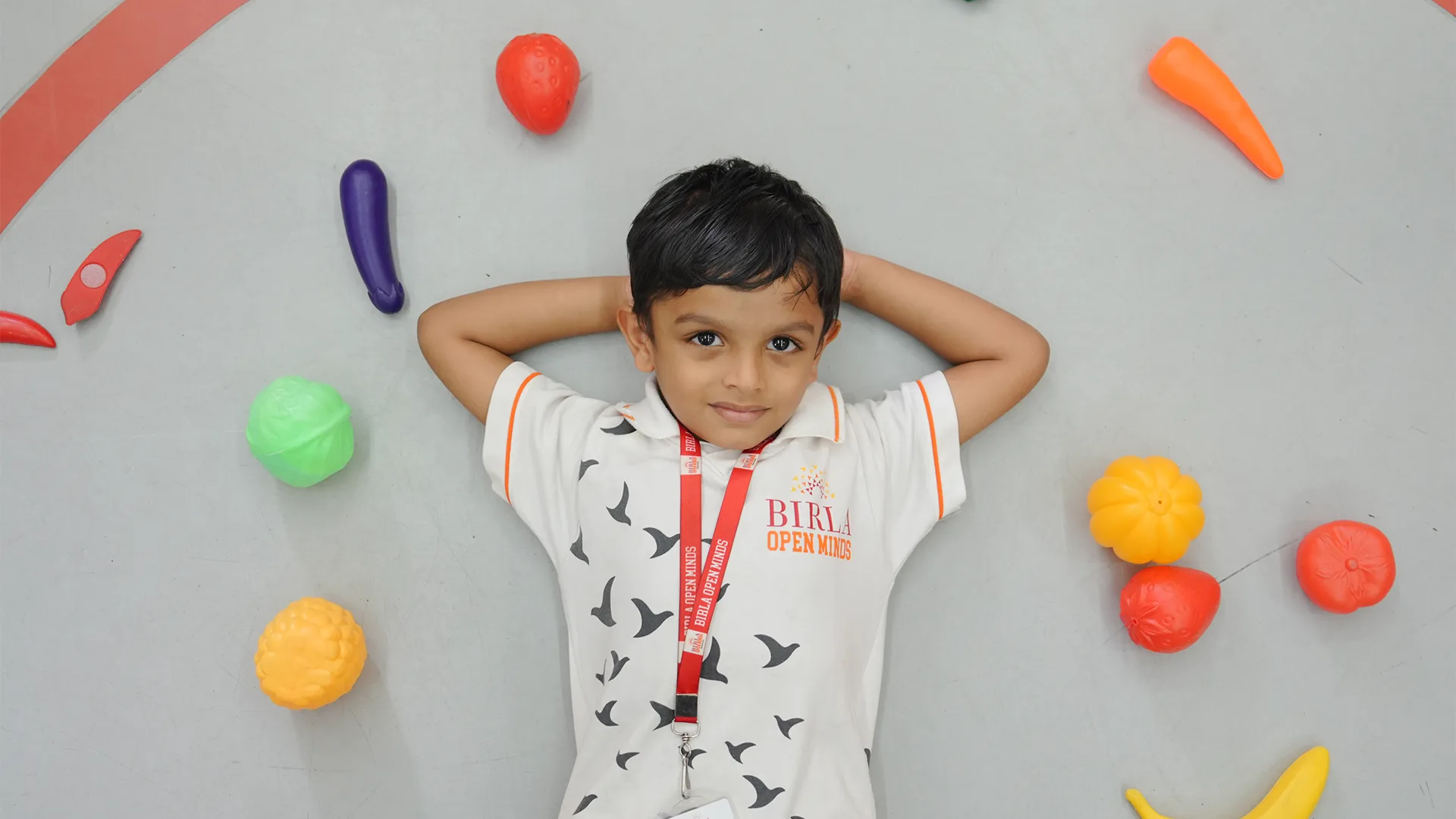
One early-years philosophy, adapted as children's language, interests and independence develop.
The examples below describe the general learning focus. Ask the admissions team about grade placement, age eligibility and the classroom plan for your child.
How admissions workChildren explore classroom routines through familiar materials, songs, stories and supported group activities.
Activities introduce richer conversations, early literacy and number ideas, cooperative play and opportunities to make and create.
Children gradually take on more independent tasks and develop confidence with language, early maths and classroom participation.
In the early years, learning to ask for help, wait for a turn or try again can matter as much as learning a new word or number.
Kind, consistent interactions and time with other children help build trust and friendships.
Children practise respect for themselves, others and their surroundings in everyday situations.
Play, creative work and achievable responsibilities encourage children to try things for themselves.
The Birla Open Minds ethos is guided by four Cs: Care · Co-operation · Collaboration · Courtesy.
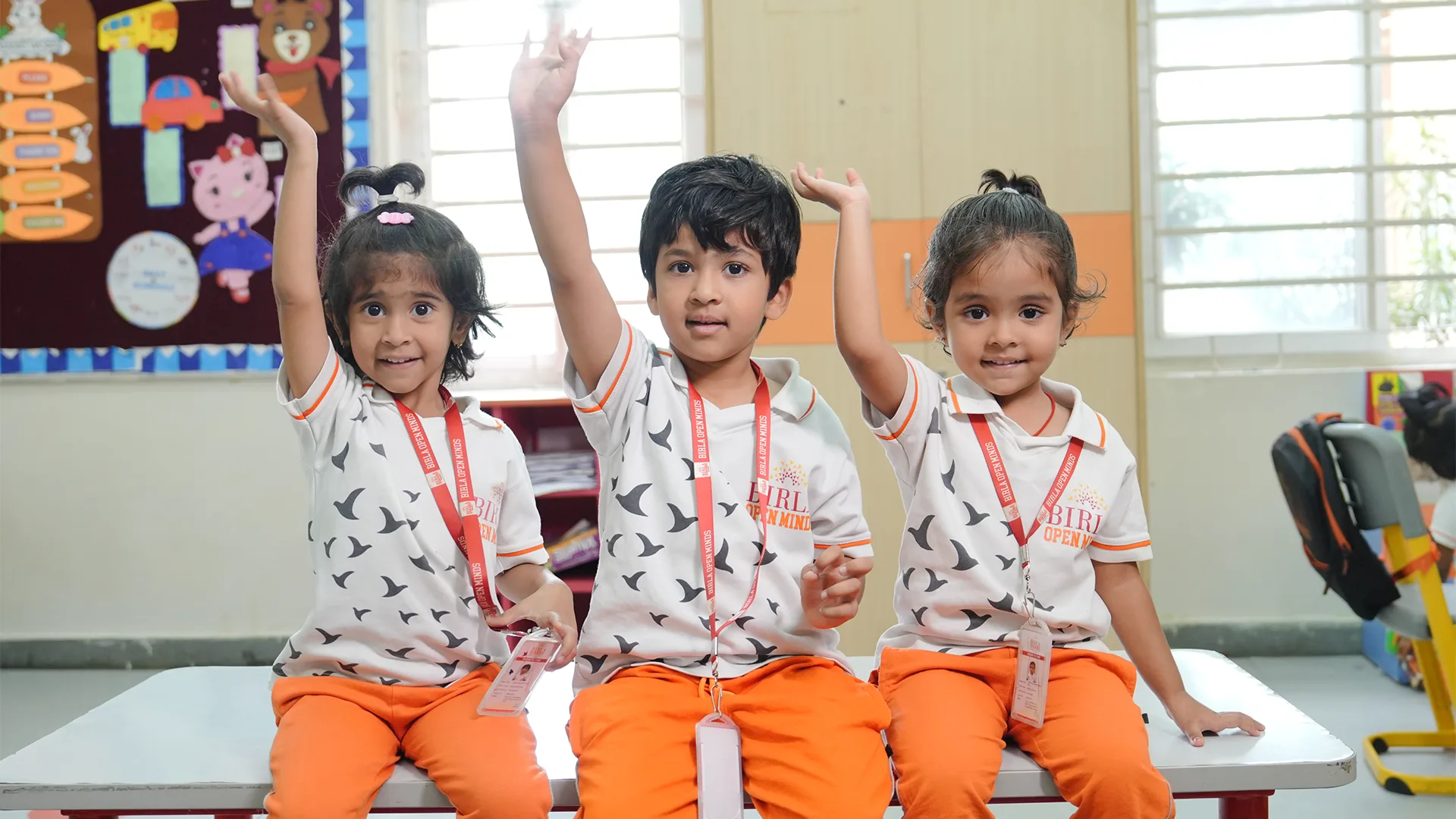
Teachers need to notice how individual children respond—not only whether an activity is completed. The wider Birla Open Minds framework supports educators with curriculum guidance, planned learning materials and professional development.
Talk to the Shamshabad team about their classroom routines, parent updates and how they support children settling into school.
Activities connect familiar objects and experiences to new language and ideas.
Educators watch how children communicate, participate, solve problems and interact.
Families can discuss settling in, progress, areas of interest and questions with the school team.
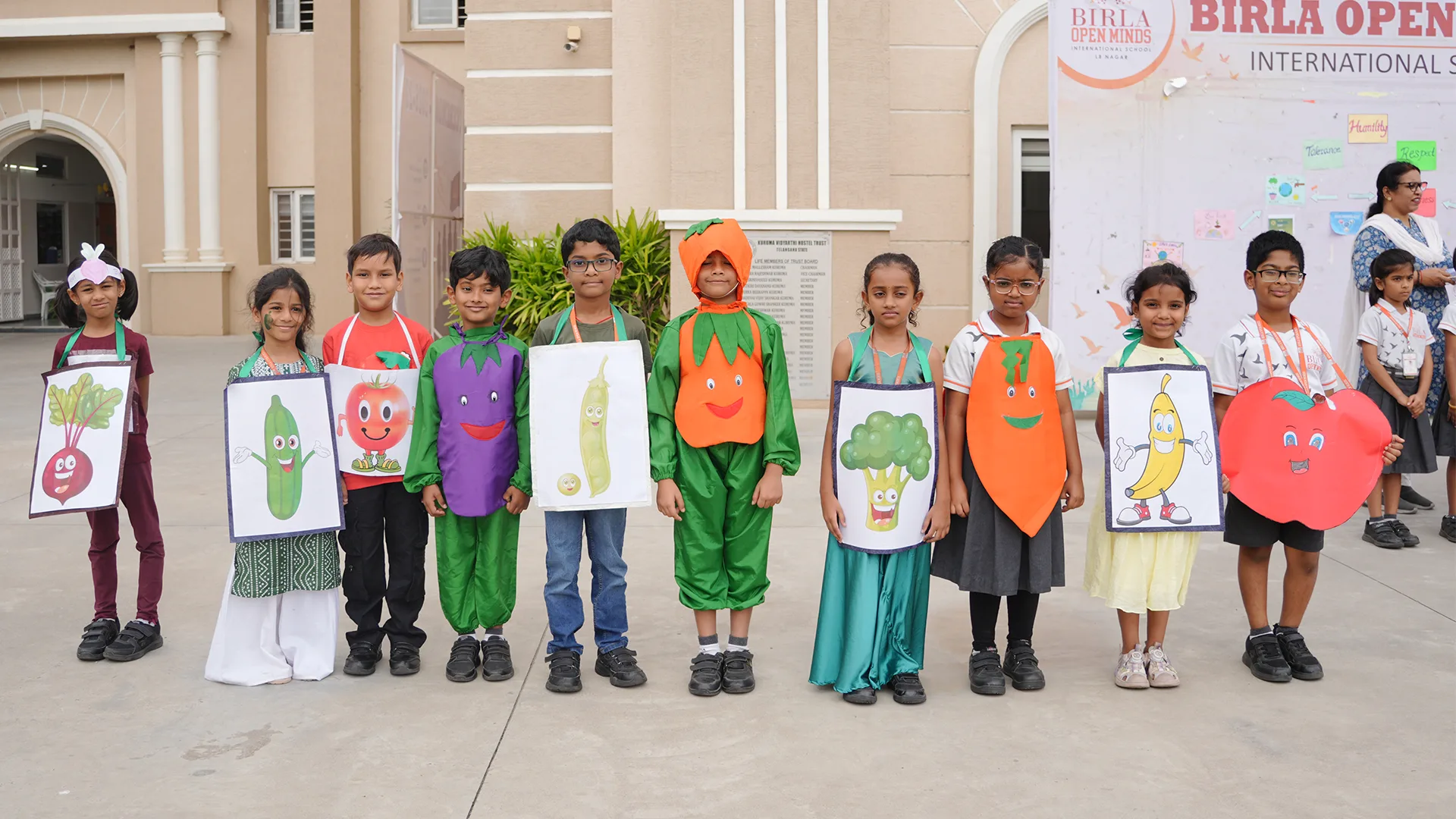
A campus visit is the best time to ask how your child's first days will work. See the classrooms, meet the team and understand how the nursery-to-K2 programme is organised.
Specific facilities and services at the new Shamshabad campus should be confirmed with admissions.
Request a campus visitFor dates, fees, age eligibility and current campus arrangements, the admissions team can provide details specific to your child.
Contact the schoolThe school's published Early Years programme covers Nursery, Kindergarten 1 (K1) and Kindergarten 2 (K2). Contact admissions to confirm age eligibility for your chosen academic year.
Play is used intentionally alongside stories, teacher-guided activities, art, early literacy and numeracy, group conversations and movement.
Through age-appropriate experiences such as listening and speaking, songs, picture books, sorting, patterns, games and hands-on counting materials, rather than relying only on worksheets.
Early-years activities encourage children to make choices, take turns, manage small tasks, share with others and ask for help. Ask the school about its approach to settling-in support.
You can request a conversation or campus visit through the admission enquiry page or by calling +91 73311 90202. The school will confirm availability.
Tell us your child's age and what you're looking for in a school. Our admissions team can help with the next steps.